Lifestyle
Is It Really Self-Care or Self-Sabotage? How to Know the Difference
By
The HealthyHer Team
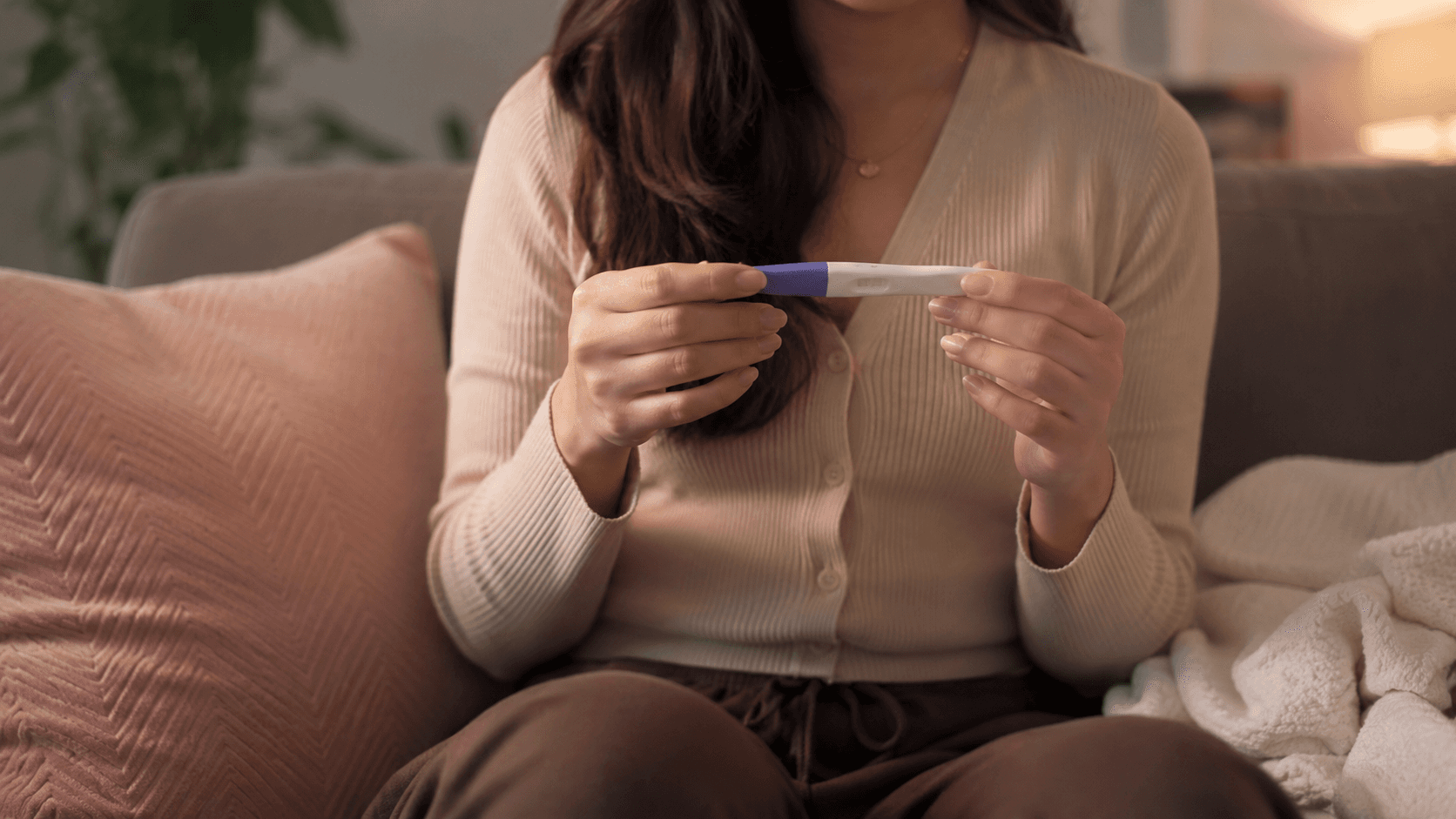
You've had a terrible day. Your boss called out your work. Your period is late again. Your face is breaking out.
So you treat yourself. Late-night online shopping. A glass of wine. Scrolling TikTok until 2 am. You deserve it, right?
But here's the thing… what feels like taking care of yourself in the moment might actually be making things harder. For women with PCOS, stress triggers cortisol release, which worsens insulin resistance, increases androgen levels, and disrupts ovulation. Recognizing these effects helps you make better self-care choices.
Why This Matters for Women with PCOS
Stress is one of the most underestimated things that makes PCOS worse. When you're constantly stressed, your body pumps out more cortisol. And too much cortisol makes insulin resistance worse, pushes your androgen levels up, and messes with ovulation.
So the way you cope with stress isn't just a personal choice. It's a hormonal one.
Real self-care empowers you to manage stress effectively, helping you feel more in control and confident in your health journey. Self-sabotage, on the other hand, can leave you feeling helpless or overwhelmed, making PCOS harder to handle.
The Self-Care Industry Has a Problem
We live in a world that sells self-care as a reward, often influenced by cultural norms like pakikisama. Pilates classes, shopping hauls, and cheat meals are marketed as healing and deserved, but understanding how cultural expectations shape these habits can help you choose genuinely supportive self-care.
But real self-care is often pretty boring-looking. It's going to bed when you'd rather keep watching. It's choosing the meal that keeps your blood sugar steady over the one that just tastes good right now. It's having the hard conversation instead of letting it sit.
That version doesn't go viral. But it's the one that actually works.
Self-Sabotage Disguised as Self-Care
Emotional spending ("retail therapy")
Bad day → Shopee or Lazada cart → a quick rush of excitement → guilt and a package you barely open. The original problem? Still there.
Endless scrolling is "downtime."
"Just ten minutes" turns into two hours on your phone. You're not actually resting. You're keeping your nervous system busy, which makes it even harder to fall asleep later.
Skipping commitments to "protect your peace."
Sometimes you genuinely need to rest. But when saying no and pulling back becomes a habit, isolation creeps in, and so does anxiety.
Food and alcohol as "treats."
There's nothing wrong with enjoying food or an occasional drink. But when wine or sugary comfort food becomes your go-to every time you're stressed, it directly feeds insulin resistance and inflammation, which are two things that make PCOS worse.
Staying up late because "you deserve it."
This one is so relatable, especially for Filipina women who finally get a quiet house after everyone else has gone to sleep. That feeling is real and valid. But staying up late raises cortisol, messes with your insulin sensitivity, and throws your hormones off. If alone time is what you need, try carving out time in the morning instead.
Avoiding difficult conversations or tasks
Putting off the difficult email and ignoring the tension in a relationship, delaying that doctor's appointment. Each one feels like a relief in the moment, until the stress of all those unresolved things quietly piles up.
Over-exercising to "earn" rest
Exercising through pain, ignoring your body's signals, treating workouts like punishment. For women with PCOS, too much high-intensity exercise without proper rest actually raises cortisol, which is the opposite of what you want.
Buying wellness products you don't use
The intention feels good. But spending money on wellness isn't the same as actually doing it. Start with one free habit first before adding anything else.
How to Tell the Difference
Before you call something self-care, ask yourself these four questions:
How will I feel about this tomorrow? Real self-care leaves you feeling better or at least neutral. Self-sabotage tends to leave guilt, exhaustion, or a new problem to deal with.
Does this solve the problem or avoid it? Actual self-care either addresses what's draining you or builds the capacity to deal with it. Avoidance just postpones things.
Does this support the person I want to be? Think about the version of yourself you're working toward. Does this habit help her?
Would I tell a friend to do this? We're usually a lot clearer about what's good for the people we love than for ourselves. Use that clarity on yourself.
Real Self-Care Practices That Support PCOS
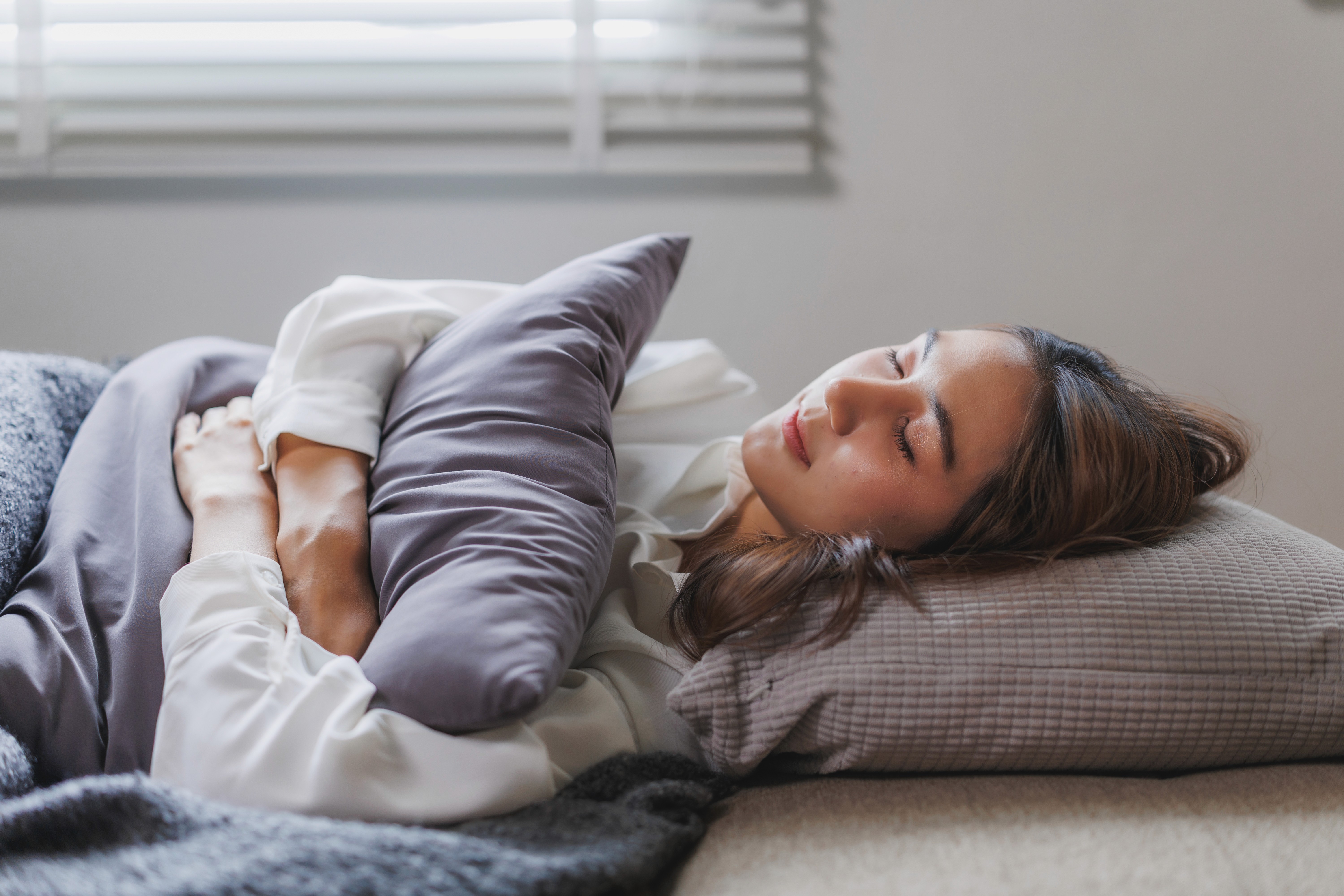
This is the less glamorous list. However, it's the one that truly makes a difference.
Sleep
Seven to nine hours of good sleep is one of the most powerful free things you can do for PCOS. It lowers cortisol, improves insulin sensitivity, and supports hormonal patterns that affect your cycle.
Saying no
In Filipino culture, where pakikisama and family obligations run deep, saying no can feel like you're letting people down. But constantly overextending yourself keeps your cortisol high. Saying no to what drains you is saying yes to your health.
Movement that feels good
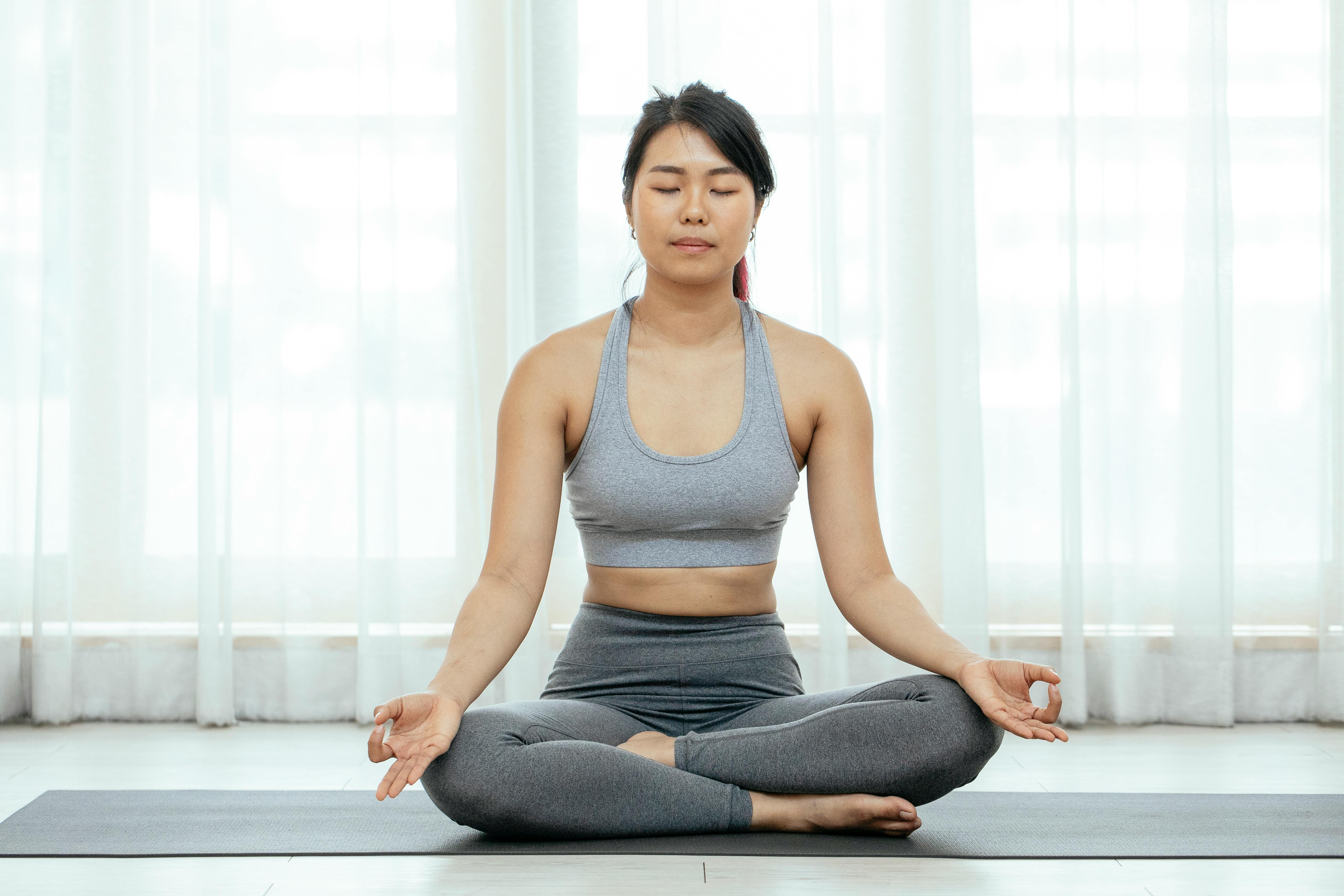
The exercise you actually enjoy is worth so much more than the one you force yourself through. Walking, dancing, yoga, and sustainable movement support hormone balance over time.
Intentional calming rituals
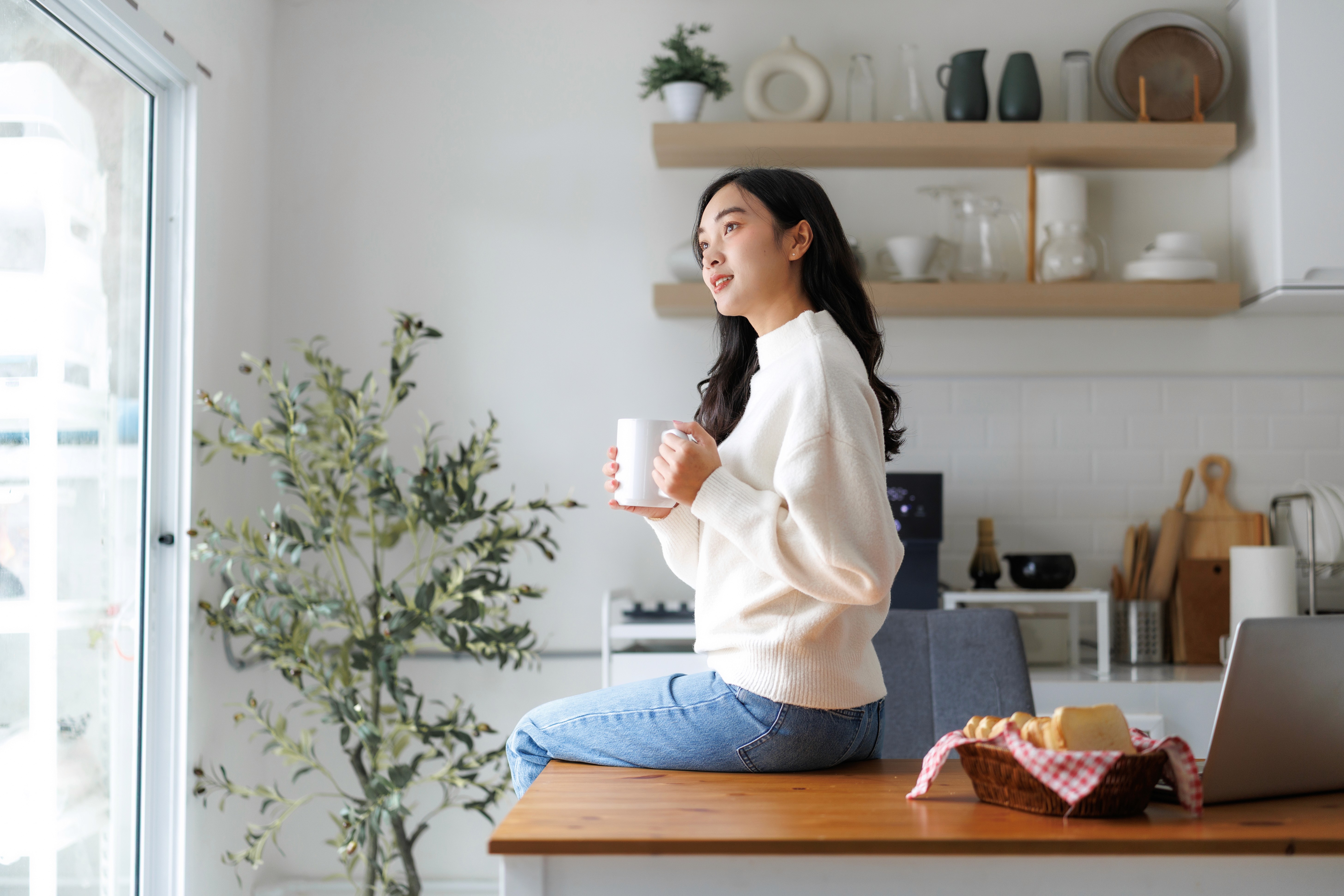
There's a version of treating yourself that genuinely works, and it usually involves slowing down rather than spending money. For example, enjoy a quiet cup of tea before your day starts, or take five minutes of stillness after lunch. These small, intentional moments tell your nervous system it's safe to relax and support your hormonal health.
A self-care ritual that actually works
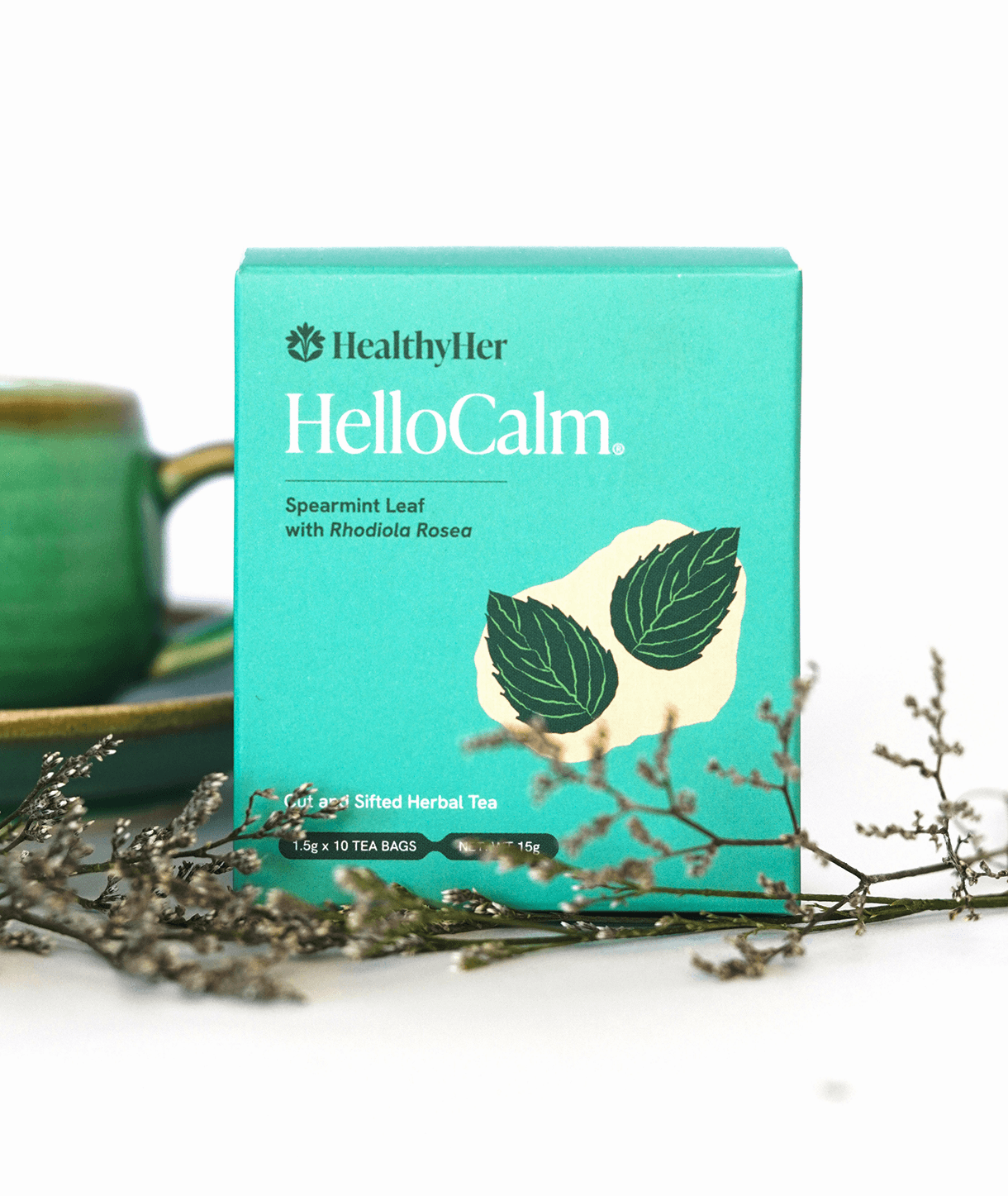
Real self-care doesn't have to be expensive or complicated. HelloCalm is a soothing herbal tea blend made for exactly these kinds of intentional moments, spearmint leaf to help lower free androgen levels, rhodiola rosea to support your body's response to stress, and stevia for a gentle sweetness that won't affect your blood sugar.
Boil water. Steep the tea. Sit quietly for five minutes. That's it. Self-care that calms your nervous system and supports your hormones.
Asking for help
Struggling through things alone isn't a strength. Whether it's asking your partner to take something off your plate, talking to someone you trust, or seeing a professional, reaching out is self-care that our "just push through it" culture seriously undervalues.
Doing the hard thing, your future self will thank you for
Honestly, this is the most accurate definition of self-care: doing what's good for you in the long term, even when it's uncomfortable right now. Your future self is keeping score, and she's cheering you on.
Building a Self-Care Routine That Actually Works
You don't need to overhaul everything at once. Just pick one thing from this list, one thing you've been swapping out for something easier, and do that instead this week.
Maybe it's a consistent bedtime. Maybe it's thirty minutes less scrolling. Maybe it's finally sending that message you've been sitting on.
Real self-care isn't about doing more. It's about doing what actually helps.
There's no shame in recognizing habits that aren't serving you. The fact that you're even thinking about this? That already counts for something.
Make self-care simple and intentional
You don't need a spa day or a full routine overhaul. HelloCalm is self-care in its simplest form: steep, sip, breathe. One to two cups a day. Caffeine-free. No additives. Just pure herbs in compostable tea bags.
This isn't "treat yourself" culture. This is actually taking care of yourself.
P.S. Pair HelloCalm with the habits that genuinely make a difference: 8 hours of sleep, saying no when you need to, moving your body, and asking for help.
Ready to build habits that genuinely support PCOS? Start with simple daily practices.
Want to keep learning about PCOS?
Here are articles we recommend reading to learn more about it.