

Understanding PCOS shouldn't be confusing
Get clear answers to your questions about this condition.
PCOS can feel confusing, overwhelming, and hard to explain, even to yourself. But we’re here to help you understand what’s happening in your body, calmly and clearly, without pressure or fear.
You’ve probably asked yourself these things
Trust us. You’re not the only one. Many Filipina women with PCOS ask these questions.
Why does my cycle change all the time?
Why do my symptoms come and go?
Why does nothing seem consistent?
Why does my body feel out of sync?
Here’s what PCOS is, and what it isn’t
Polycystic Ovary Syndrome (PCOS) is a hormonal condition that affects how your body regulates hormones like insulin, estrogen, progesterone, and androgens. When these hormones fall out of balance, they can affect your cycle, skin, energy, mood, and metabolism over time.
Myths
What People think
It means something is wrong with your ovaries
It looks the same for every woman
You need to fix PCOS as fast as possible
It only matters if you want to get pregnant
Truths
what the reality is
It’s a hormonal pattern that affects the whole body
Symptoms vary widely from person to person
It responds best to steady, long-term support
It affects health at every life stage
The most important truth to remember is that PCOS isn’t rare, and it’s not your fault
PCOS looks different for every Filipina
PCOS doesn’t follow a single timeline. It can show up early, later, or change as your life changes. But there are common symptoms you can watch out for.
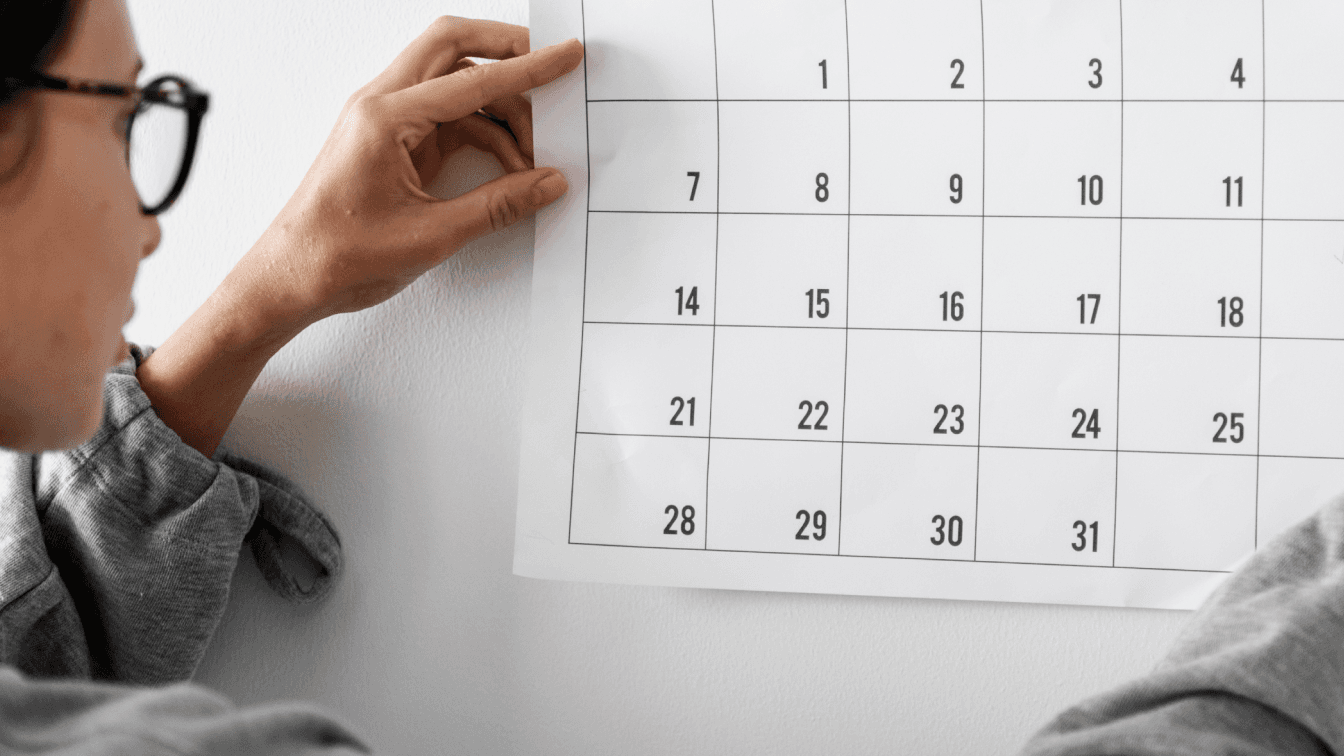
Irregular or delayed menstrual cycles
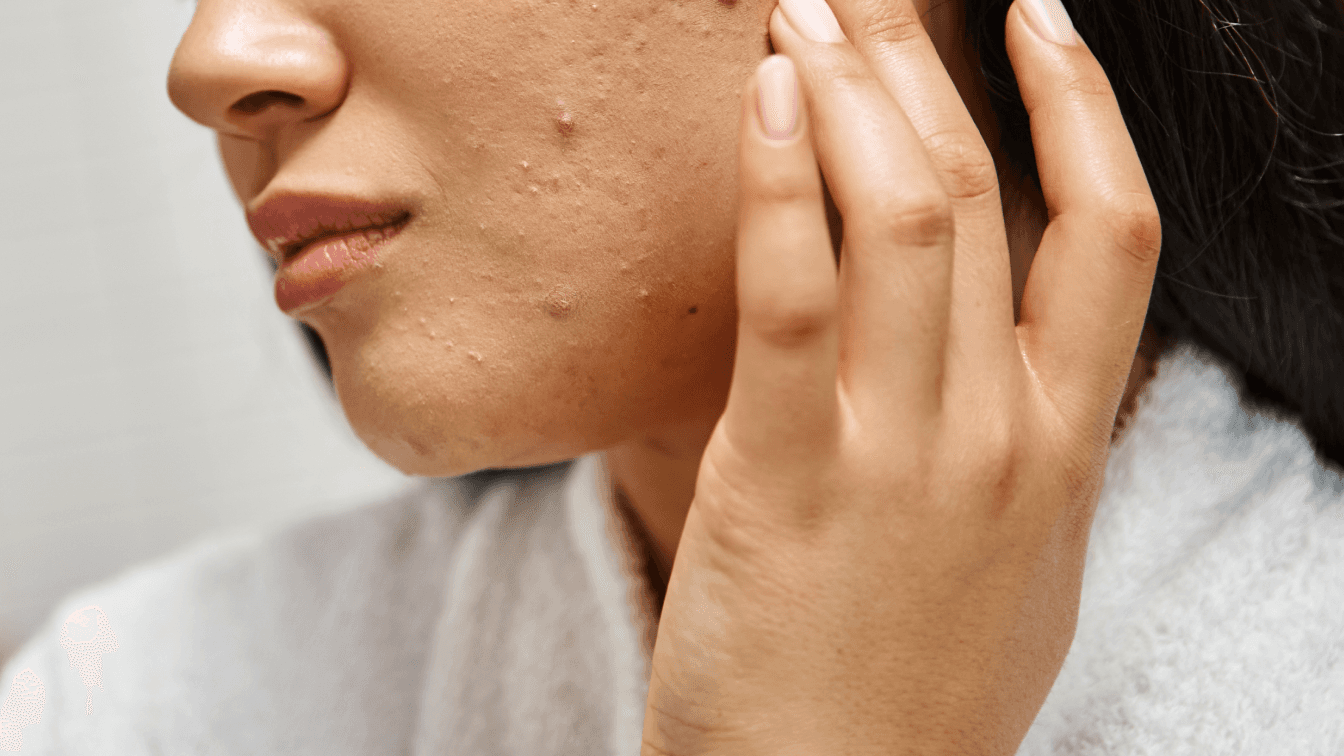
Hormonal acne or persistent breakouts
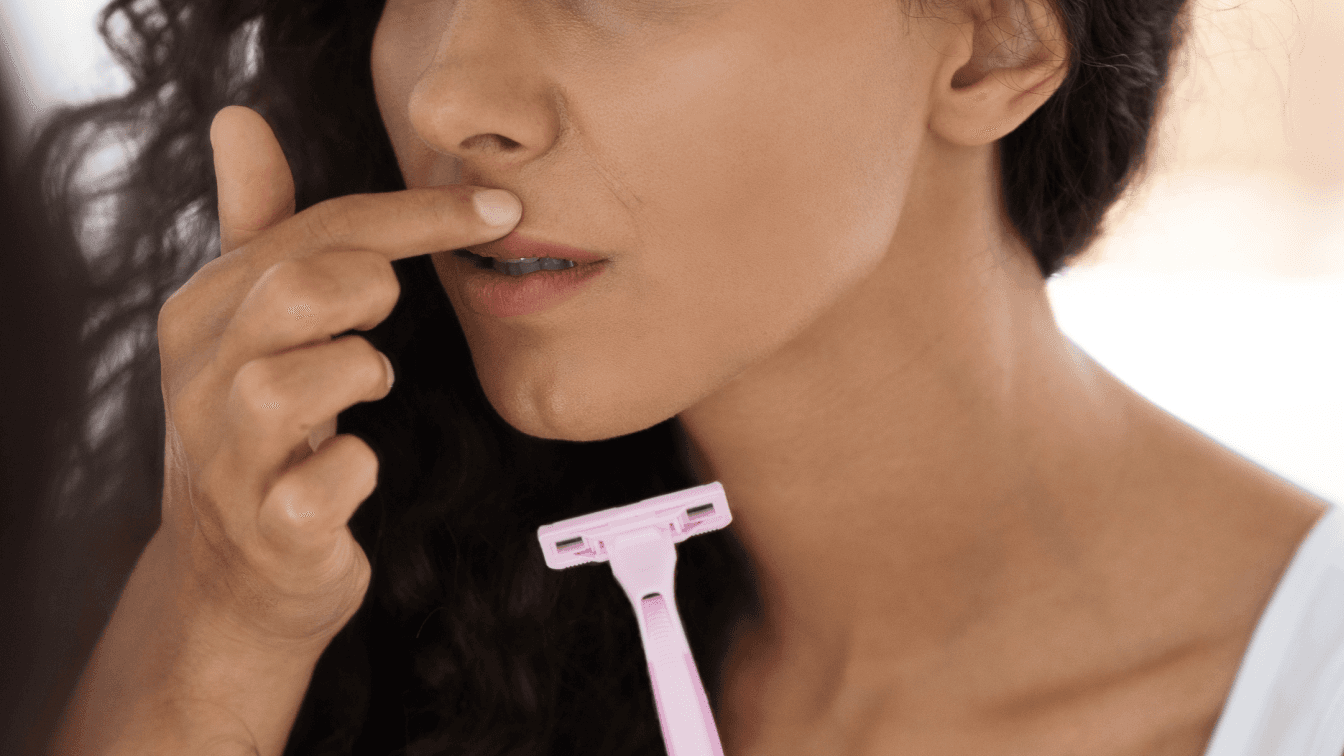
Facial or body hair changes
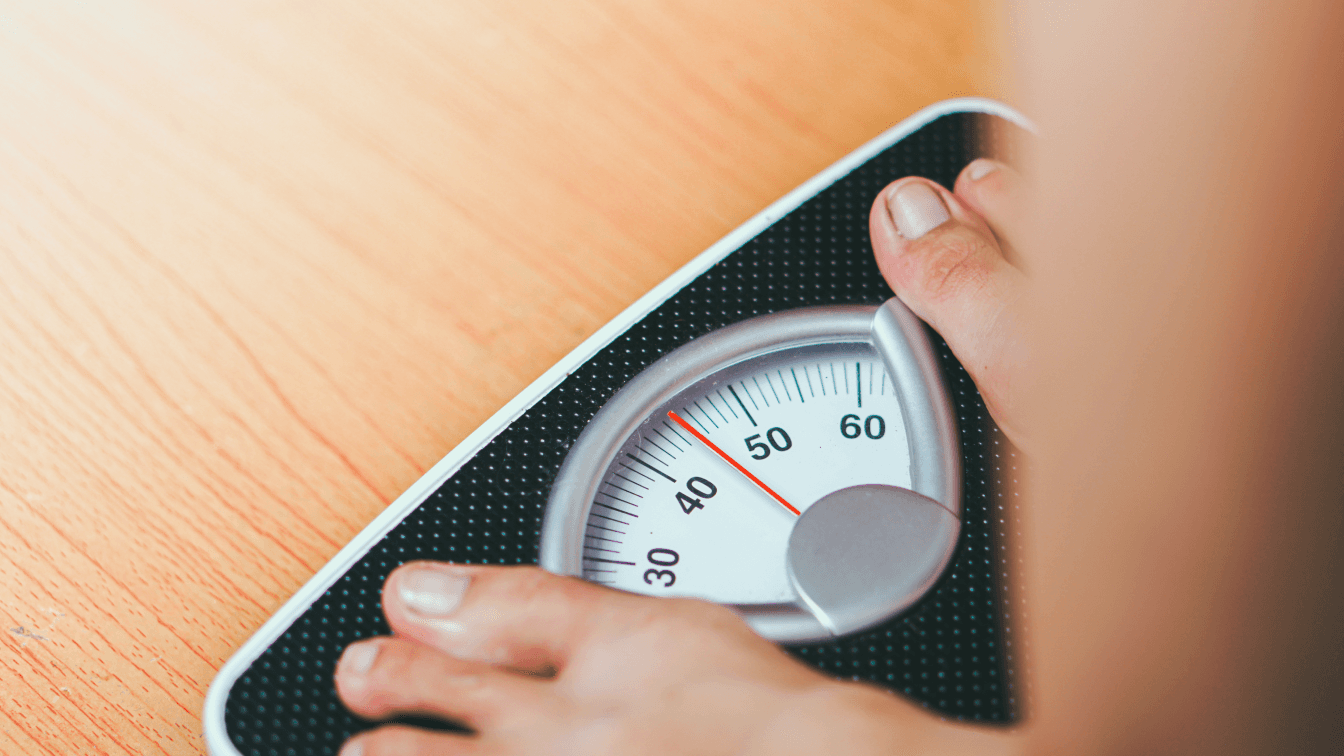
Weight shifts or metabolic changes
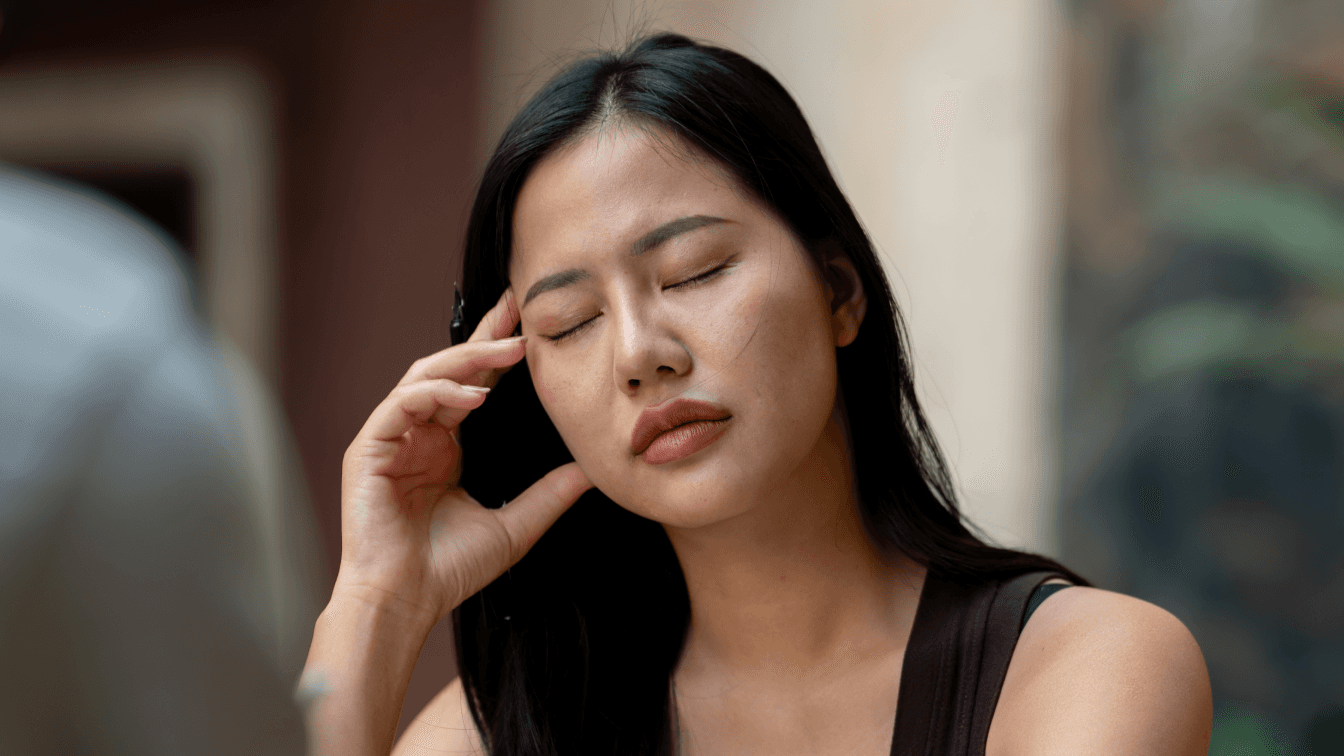
Fatigue, brain fog, or low energy

Mood changes or stress sensitivity
You don’t need to experience all of these for your experience to be valid.
PCOS is a journey, not a quick fix
Understanding the patterns behind PCOS
While symptoms may feel unpredictable, PCOS often follows a few core patterns:
Hormonal imbalance
Your body produces too much of certain hormones (like androgens), throwing your cycle off balance. This can lead to irregular periods, excess hair growth, and acne.
you might ask yourself:
Why does my cycle change often?
Do my symptoms fluctuate month to month?
Do my skin or mood shifts feel hormone-related?
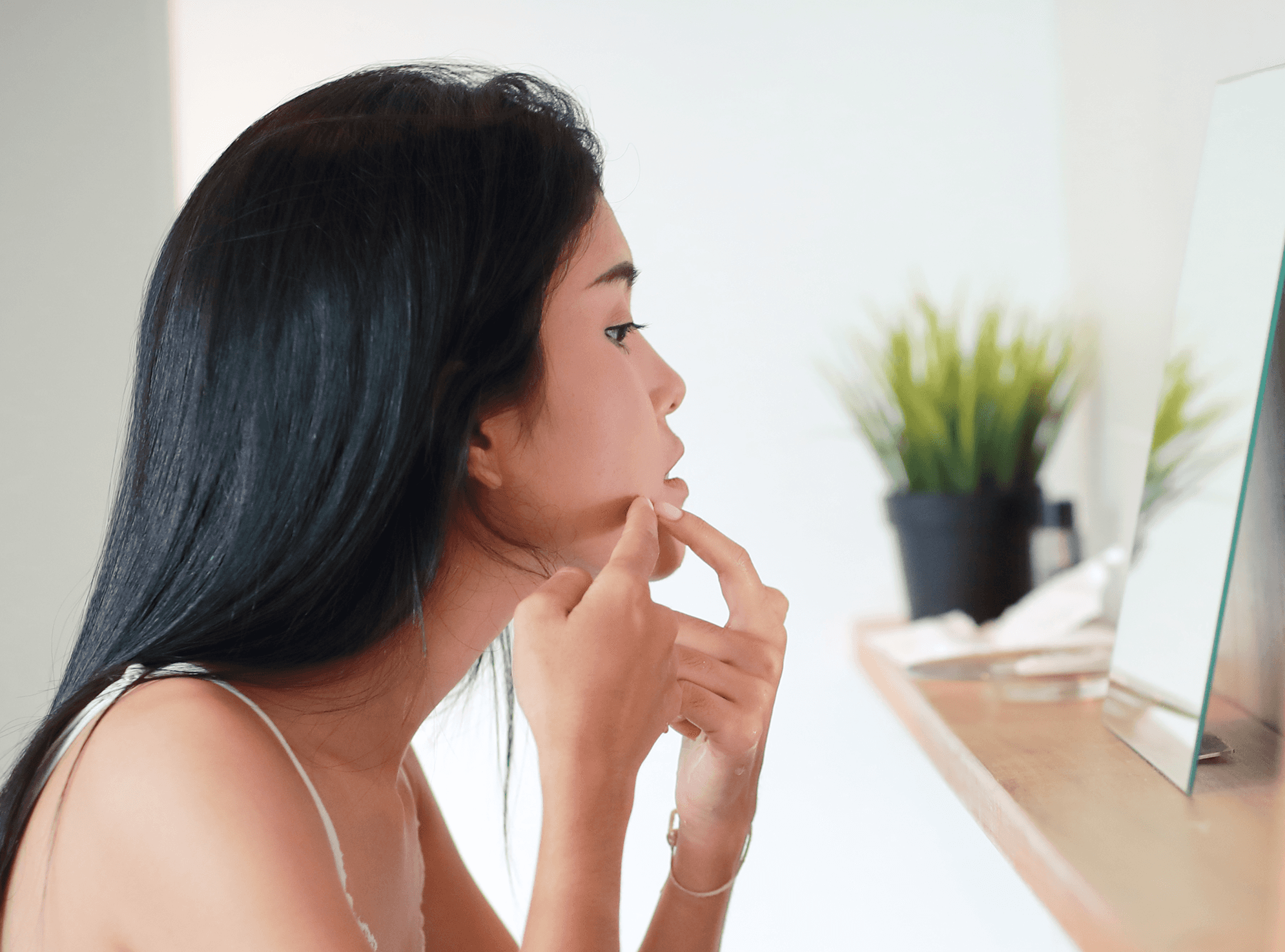
Metabolism issues
Your body has a harder time converting food into energy efficiently. This can make it easier to gain weight and harder to lose it, even with a healthy diet.
you might ask yourself:
Why does my weight keep changing?
Why aren’t my routines helping my body?
Why are the changes so unpredictable?

Insulin sensitivity
Your cells don't respond well to insulin, the hormone that helps control blood sugar. This causes your body to produce even more insulin, which can trigger other hormonal problems.
you might ask yourself:
Do I feel energy crashes during the day?
Do I feel unusually tired after meals?
Why does my weight keep changing?
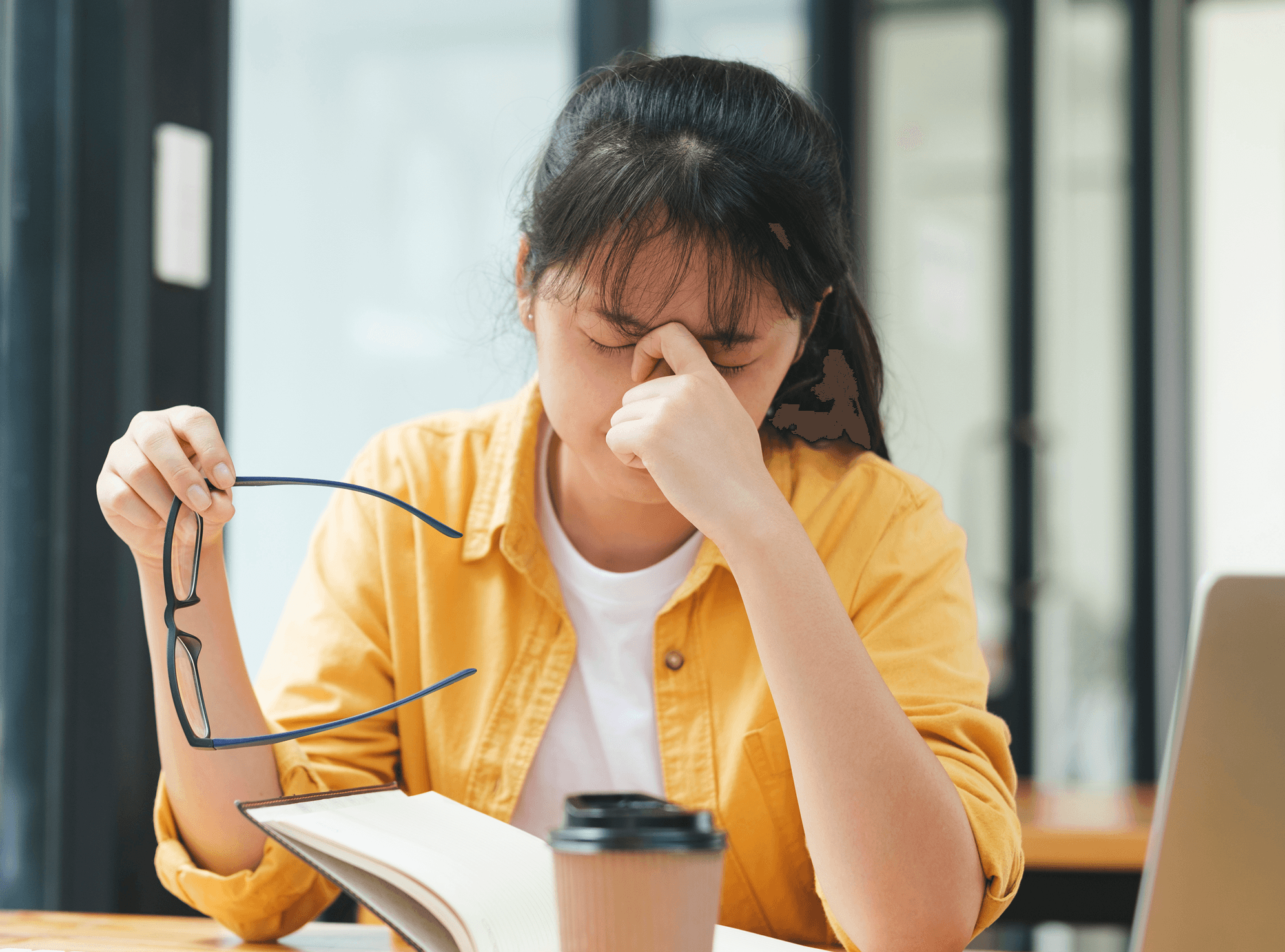
Inflammation
Your immune system is in a low-grade "alert" state more often than it should be. This ongoing internal stress can worsen hormone issues and increase your risk of other health problems over time.
you might ask yourself:
Do I feel easily bloated or inflamed?
Does my body feel heavy or sluggish at times?
Do flare-ups come without a clear reason?
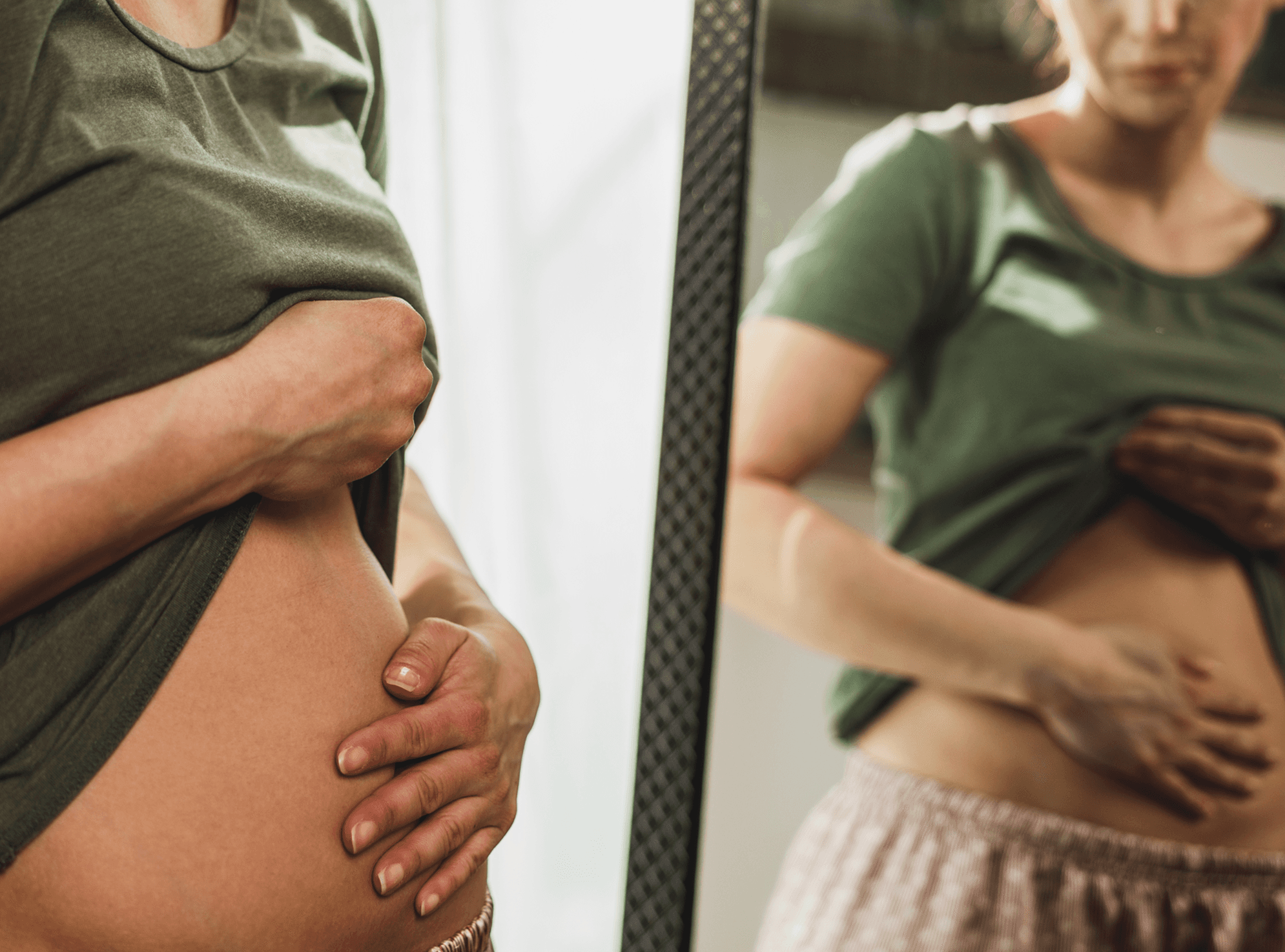
Stress response
High levels of cortisol (your body's stress hormone) can disrupt your hormones and make PCOS symptoms worse. Both physical and emotional stress can throw your cycle and energy levels further out of balance.
you might ask yourself:
Do my symptoms worsen during stressful periods?
Do I feel tense or emotionally drained often?
Does rest feel hard even when I’m tired?
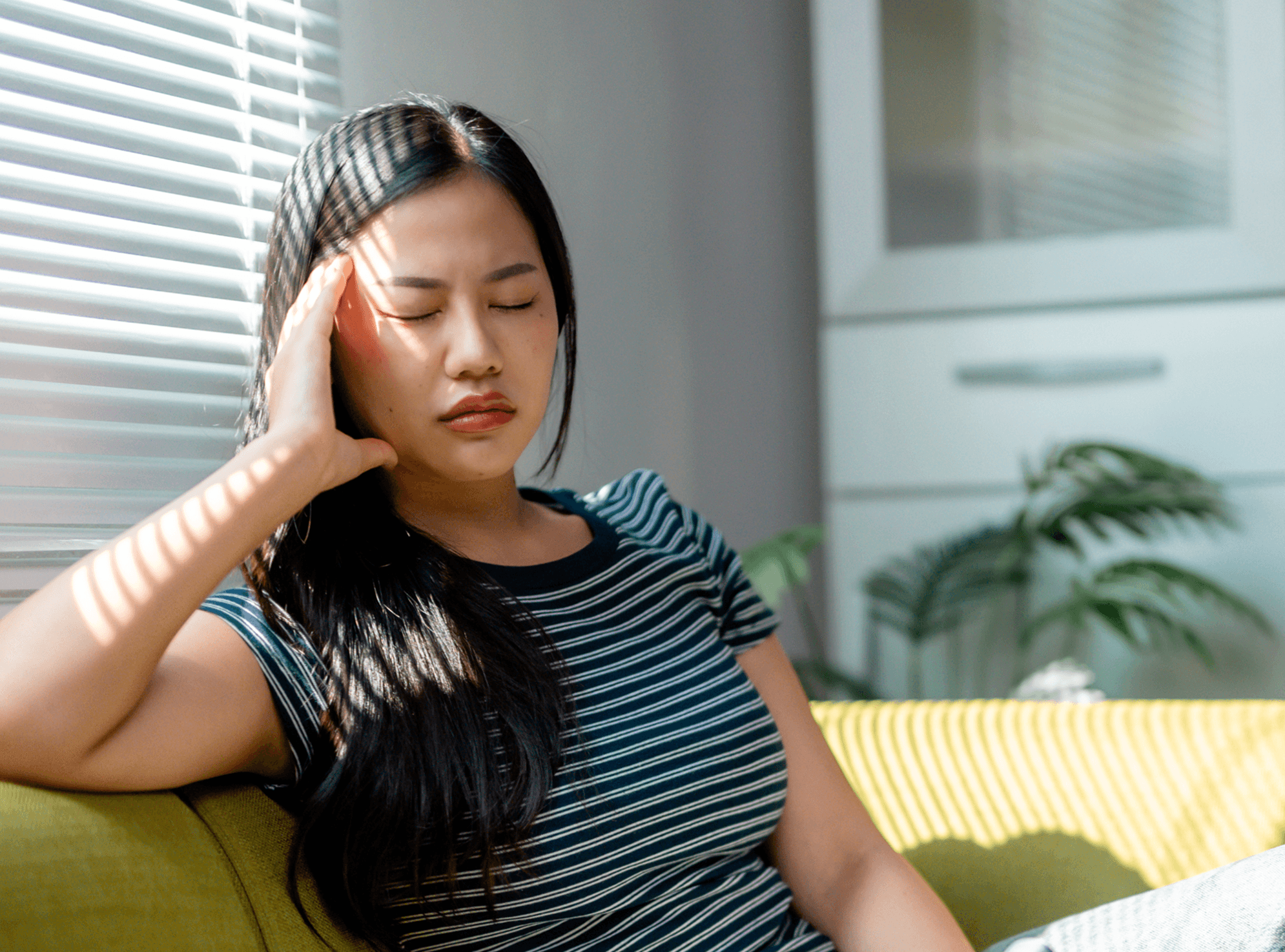
Gentle reminder
These questions aren’t meant to diagnose or label you. They’re simply tools to help you notice patterns, so you can move forward with more understanding and less self-blame.
What helps long term?
Learn how PCOS affects your body
Support hormones daily, not occasionally
Build routines that fit real life
Choose consistency over perfection
Give your body time to respond




Understanding PCOS doesn’t have to feel overwhelming
Here are articles we recommend reading to learn more about PCOS