
PCOS Foundation
Mother's Day Self-Care for Women with PCOS Trying to Conceive
By
The HealthyHer Team

Mother’s Day can bring up a mix of emotions—especially for many women trying to conceive with PCOS. This season can feel layered with both hope and uncertainty.
For some, it’s a day of hope. For others, it can feel heavy, filled with quiet questions, pressure, or even grief. And often, it’s all of those things at once. If this season feels complicated, you’re not alone.
This is also why self-care matters more than ever—not as a luxury or something extra, but as a way to support your body through a deeply personal journey. Because when it comes to PCOS and fertility, how you care for your body and mind can play a meaningful role in restoring balance.
This guide is here to gently walk you through simple, realistic ways to support your hormones, your wellbeing, and your fertility—one day at a time, with practical PCOS fertility tips you can actually sustain.
Understanding the PCOS–Fertility–Stress Connection
PCOS, or polycystic ovary syndrome, affects how your hormones function, often leading to irregular ovulation, unpredictable cycles, and challenges when trying to conceive. At the center of this is hormonal imbalance, many women with PCOS experience elevated androgens (male hormones), insulin resistance, and fluctuations in reproductive hormones that are essential for ovulation.
But there’s another piece that often goes overlooked: stress. When your body is under chronic stress, it produces more cortisol—the primary stress hormone. Over time, elevated cortisol can interfere with your body’s hormonal signaling, including those that regulate ovulation.
This doesn’t mean stress is the cause of fertility challenges. But it does mean that unmanaged stress can make an already delicate hormonal balance even harder to regulate.
And this is where self-care becomes more than just a feel-good concept. It becomes part of how you support your body in finding its rhythm again.
Why Self-Care Is a Fertility Tool (Not a Luxury)
When it comes to self-care for PCOS, you want to create conditions where your body can function more optimally.
It’s easy to think of self-care as something optional—something you do when you have time.
But when you’re navigating PCOS and trying to conceive, self-care becomes foundational.
Your body relies on consistent nourishment, quality rest, and a regulated stress response to support hormone production and ovulation. Without these, even the best intentions can feel like they’re working against resistance.
The good news is, self-care doesn’t have to be overwhelming.
You do not need to overhaul your entire lifestyle overnight. What you need are small, steady simple habits that you can build—things you can realistically maintain even on busy or difficult days. Think of it as gentle consistency—one of the most effective PCOS fertility tips you can follow over time. Because over time, these small actions build the kind of internal environment your body needs to function at its best.
Daily Self-Care Habits That Support PCOS and Fertility
If you’ve ever wondered how to improve fertility with PCOS naturally, it often starts with the small, daily choices you make.
Nourishing Your Body for Hormonal Balance

What you eat plays a direct role in how your hormones behave—especially with PCOS.
Focusing on balanced meals that include protein, fiber, and healthy fats can help stabilize blood sugar levels. This is important because blood sugar spikes and crashes can worsen insulin resistance, which in turn affects ovulation.
Regular meals matter too. Skipping meals or following overly restrictive diets can signal stress to your body, making it harder to maintain hormonal balance.
Hydration is another simple but powerful habit. Water supports metabolic processes, nutrient transport, and overall cellular function.
The goal here is not perfection but nourishment. Giving your body what it needs, consistently, which is especially important when managing PCOS while trying to conceive.
Supporting Your Cycle with the Right Nutrients
For many women with PCOS, getting enough of the right nutrients can make a meaningful difference in how the body regulates hormones. Nutrients like inositol, folate, B vitamins, and antioxidants are known to support hormone function, egg quality, and overall reproductive health. But even with a balanced diet, it can be challenging to meet these needs consistently—especially during busy or stressful periods.
This is where supplementation can help fill in the gaps, especially when looking into supplements for PCOS fertility as part of a broader routine.
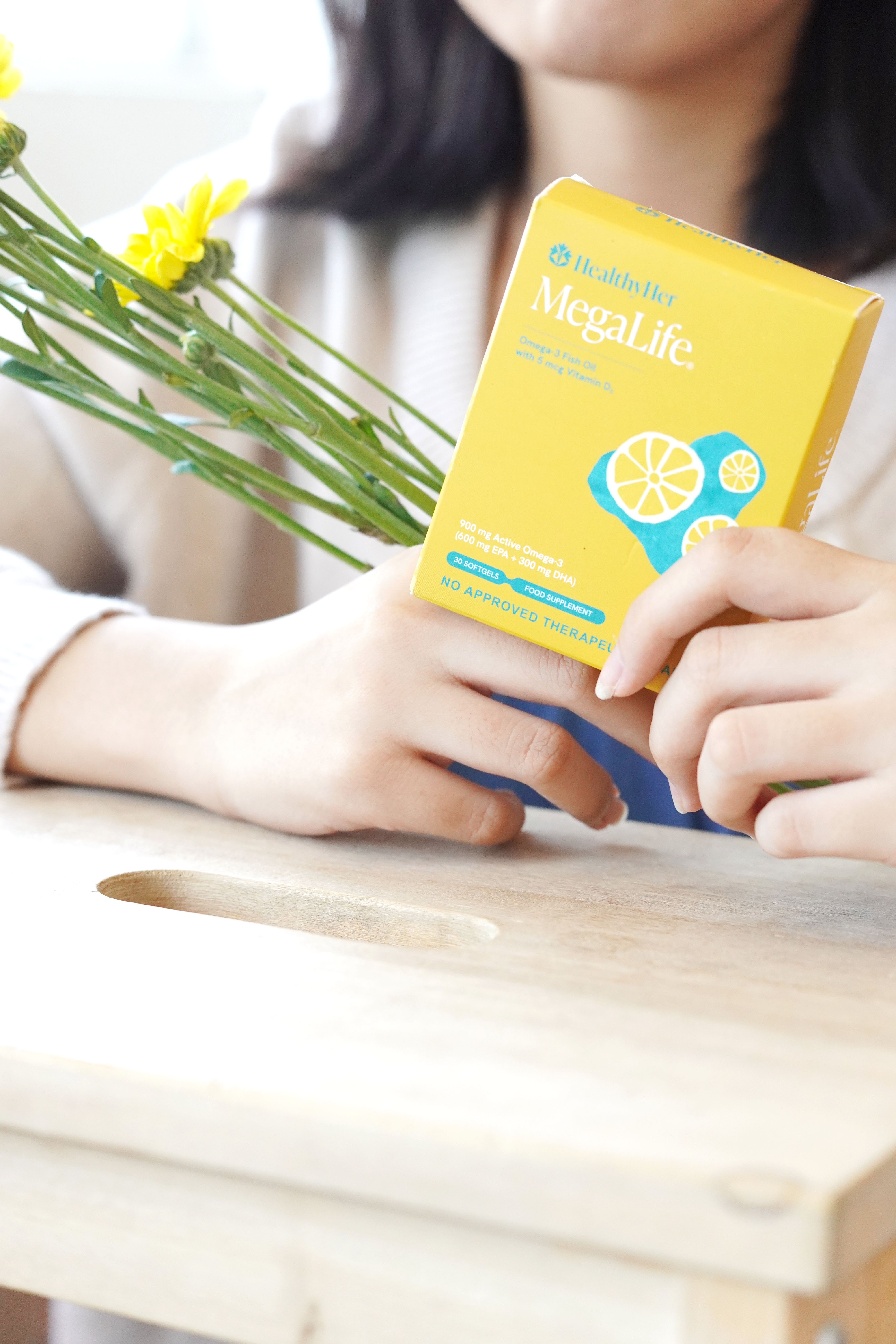
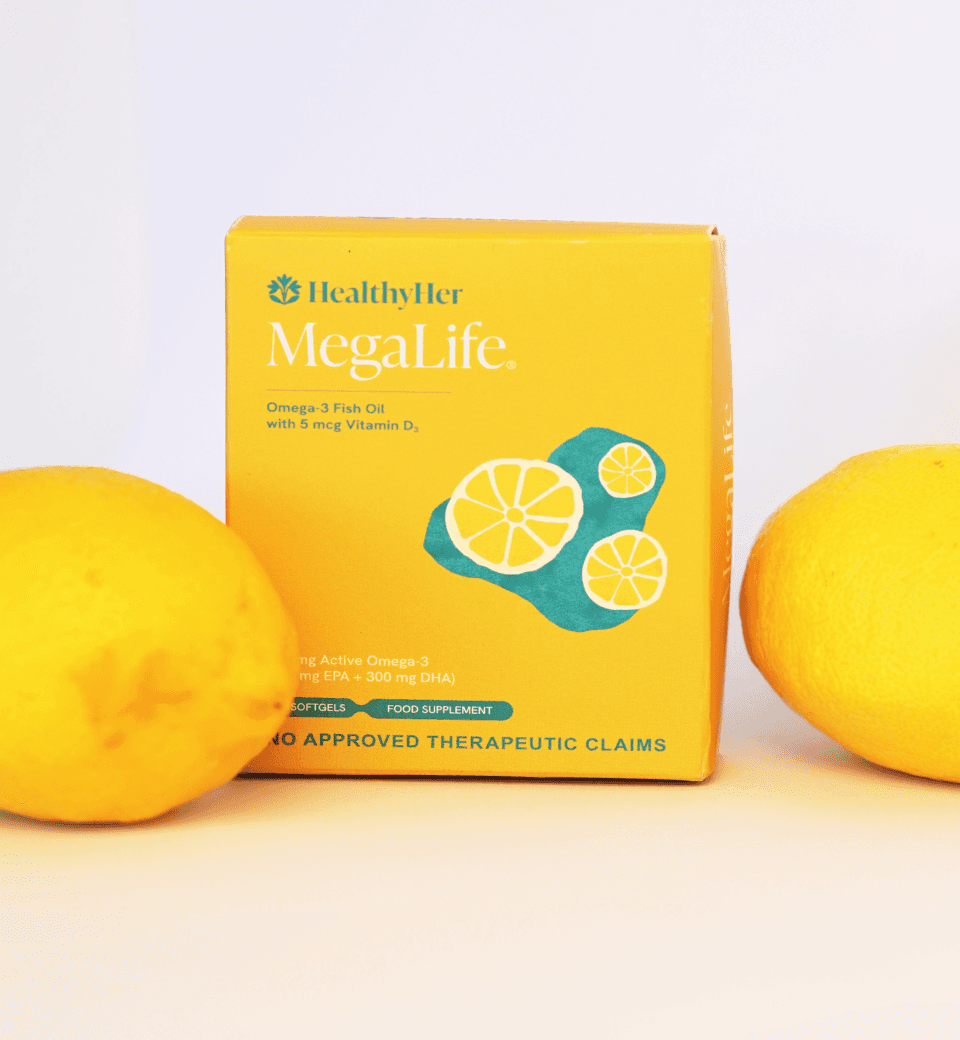
MegaLife can be part of that support system, helping provide key nutrients that contribute to hormonal balance and cycle regularity. When taken consistently, it works alongside your daily habits to support your body as you prepare for conception.
The key is to view supplements as support—not a replacement—for a well-rounded lifestyle.
Managing Stress to Protect Hormonal Health
Stress doesn’t always look obvious. Sometimes it shows up as poor sleep, constant fatigue, irritability, or feeling mentally overwhelmed—even when nothing specific seems “wrong.”
With PCOS, chronic stress can make hormonal imbalances more pronounced, which is why understanding the link between stress and PCOS fertility is so important. Elevated cortisol levels can disrupt the signals your body needs for ovulation and cycle regulation.
That’s why managing stress is not only about making you feel better but also about protecting your hormonal health. The goal isn’t to eliminate stress entirely. That’s not realistic. Instead, focus on building small, repeatable habits that help your body come back to a calmer state.
Creating Moments of Calm in Your Day
You don’t need hours of free time to support your mental and emotional wellbeing. Even a few minutes a day can make a difference—these small practices become meaningful daily habits for PCOS fertility over time.
Simple practices like deep breathing, a short walk outside, journaling, or quiet time away from screens can help regulate your nervous system. These moments signal to your body that it’s safe to relax—and over time, this can support more stable hormone function.
For additional support, HelloCalm can help promote a sense of calm and relaxation, especially during days when stress feels harder to manage. Like any self-care tool, it works best as part of a broader routine—something that supports your daily efforts to care for both your body and your mind.
Prioritizing Rest and Sleep Quality
Sleep is often underestimated, but it plays a critical role in hormone regulation. Poor sleep can affect insulin sensitivity, increase cortisol levels, and worsen common PCOS symptoms.
Creating a simple wind-down routine can help signal to your body that it’s time to rest. This might look like limiting screen time before bed, dimming the lights, or doing something calming like reading or stretching.
Consistency matters here too. Going to bed and waking up at similar times each day helps regulate your internal clock.
It helps not to think of rest as wasted time but as a part of how your body repairs, resets, and prepares for the next day.
A Gentle Mother’s Day Reframe: Honoring Yourself in the Process
When you’re trying to conceive with PCOS, days like this can carry extra emotional weight. But, Mother’s Day doesn’t have to look one specific way. If this day feels difficult, you’re allowed to acknowledge that.
You’re also allowed to create your own version of what it means. Maybe that means taking a step back from social media. Maybe it’s spending the day quietly, doing something that feels comforting. Or maybe it’s simply giving yourself permission to feel whatever comes up—without judgment. Nurturing applies to you too just as much as it applies to everybody.
And the care you’re giving your body right now—the effort, the patience, the consistency—that already matters.
Building a Support System That Sustains You
You don’t have to go through this journey on your own. Having a support system can make a meaningful difference in how you navigate both the physical and emotional aspects of PCOS and fertility. You can find support through your partner, your close friends, or even in a community.

It’s also okay to set boundaries. If certain conversations or situations feel triggering, you’re allowed to protect your space.
Professional support can also be helpful. OB-GYNs, nutritionists, and mental health professionals can provide guidance tailored to your needs.
Most importantly, it helps not to think of support as a sign of weakness. It’s part of taking care of yourself.
How Consistency with the Right Support Can Make a Difference
There’s no single solution when it comes to PCOS and fertility, especially when managing PCOS while trying to conceive. But there is power in consistency.
When you combine balanced nutrition, stress management, quality rest, and the right kind of support, you create a foundation that helps your body function more effectively over time.
This is where tools like MegaLife and HelloCalm can fit naturally into your routine—supporting your efforts as you build habits that are sustainable and realistic.
Progress may not always feel immediate. But small, consistent actions add up. And over time, they create meaningful change.
Self-care is not indulgent. It’s intentional—especially when it comes to self-care for PCOS and supporting your fertility journey. It’s the daily choice to support your body, even when the journey feels uncertain.
If you’re trying to conceive with PCOS, know that every small step you take—every nourishing meal, every moment of rest, every effort to manage stress—is part of something bigger.
Be patient with yourself.
Be gentle with your progress.
And this Mother’s Day, if nothing else, let it be a reminder that you are already showing up—with strength, with care, and with hope.
Want to keep learning about PCOS?
Here are articles we recommend reading to learn more about it.