
PCOS Foundation
Do you have PCOS? Here are 7 common symptoms and ways to track them
By
The HealthyHer Team
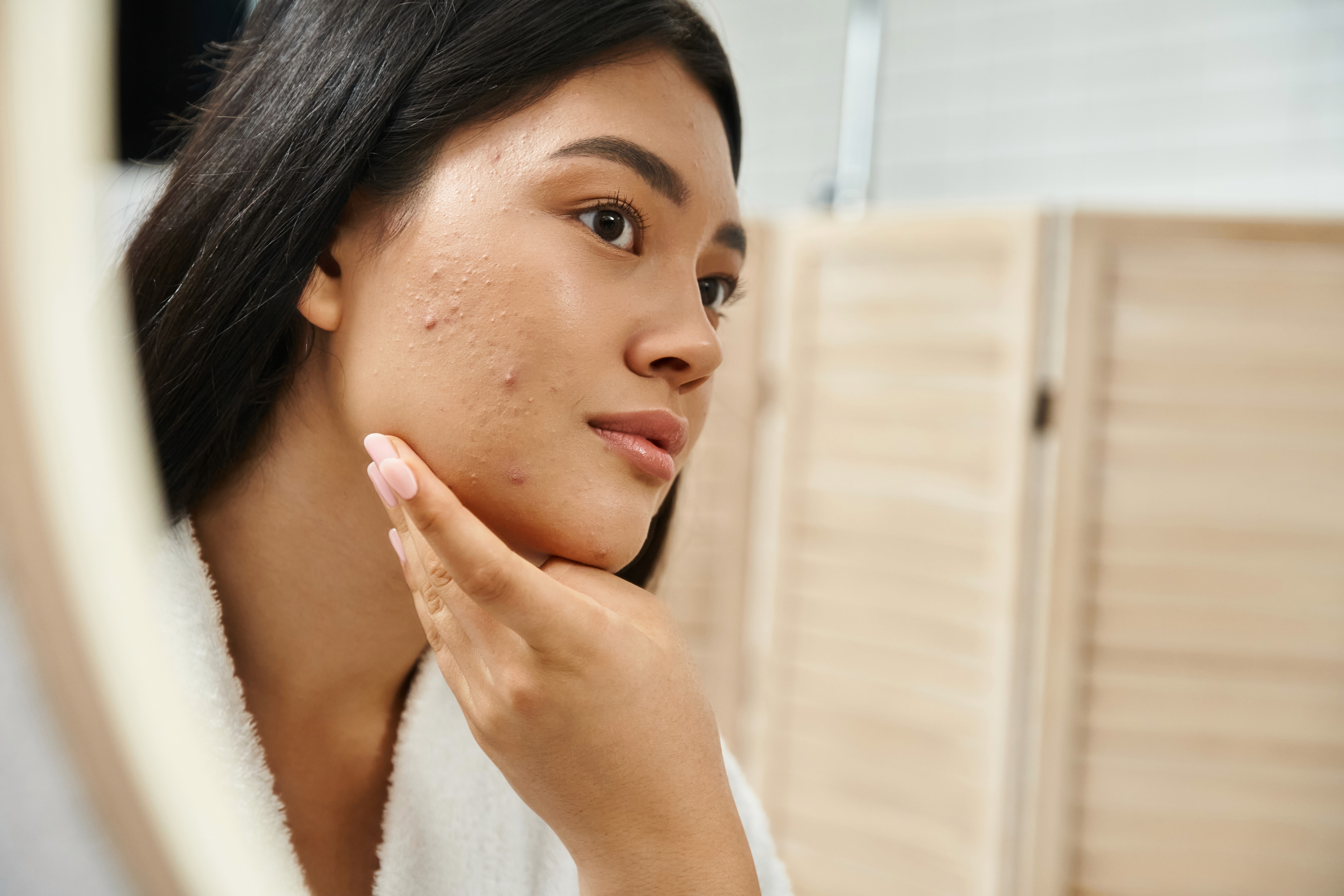
You've been feeling off lately. Your period didn't show up this month again. You're breaking out like you're back in high school. And no matter what you do, the scale keeps creeping up.
Sound familiar? These could be signs of PCOS. But here's the tricky part: PCOS symptoms look different for everyone, and they can come and go. That's why tracking your symptoms is so important. It helps you see patterns, understand what's happening in your body, and have real data to show your doctor.
In this guide, we'll walk you through the 7 most common PCOS symptoms and give you practical ways to track each one. By the end, you'll know exactly what to watch for and how to keep track of it.
Why symptom tracking matters for PCOS
Before we dive into the symptoms, let's talk about why it’s important to track them.
Many Filipina women dismiss PCOS symptoms and say things like, "temporary lang naman siguro ‘to" and "baka signs of aging lang ‘to.”
But when you track these signs over 2-3 months, you will start to notice patterns. You'll start to see how your cycle, your energy, your skin, and your mood are interconnected.
This information is useful, especially to your doctor. When you walk into their office with documented symptoms, you get diagnosed faster and start treatment sooner. No more "sige, observe muna natin yung symptoms mo" which could lead to multiple appointments that stretch for months.
Plus, tracking helps you understand your unique PCOS experience. While one woman might struggle most with irregular periods, another might deal with persistent acne. It’s different for each woman, and knowing your specific symptoms helps you find the right solutions.
New to PCOS? You can start with our complete guide to PCOS symptoms and causes if you want to understand the basics first and then come back to this article later.
The 7 most common PCOS symptoms and key things to track
Let's break down each symptom and exactly how to track it.
1. Irregular or Absent Periods
What it looks like: You have less than 8 periods a year, your cycles last over 35 days, or you may skip months without bleeding. During your period, it can be very heavy or very light.
Key things to track:
Mark the first day of each period.
Note your cycle length (days between periods).
Record flow heaviness: light, medium, or heavy.
This could be PCOS if: After 3 months, check if your cycles are consistently longer than 35 days, or if you've missed 2 or more periods. This pattern is a key PCOS indicator.
2. Unexplained Weight Gain
What it looks like: You've gained weight, especially around your stomach and waist area, even though you haven't changed your diet or exercise routine. The weight seems stubborn and difficult to lose.
Key things to track:
Weigh yourself once a week at the same time, preferably before breakfast.
Measure your waist circumference monthly and take progress photos.
Track your food intake.
This could be PCOS if: A weight gain of 5+ kg over 3-6 months without major lifestyle changes, especially if it's concentrated around your midsection.
3. Excess Hair Growth (Hirsutism)
What it looks like: Dark, coarse hair growing in places where women typically don't have much hair—your face (upper lip, chin, sideburns), chest, back, stomach, or inner thighs.
Key things to track:
Take monthly photos of affected areas with consistent lighting and angles.
Note the frequency of hair removal (daily, weekly).
Track severity on a scale of 1-10.
This could be PCOS if: Increased frequency of hair removal, new areas of growth, or hair becoming thicker and darker over time.
4. Hair Thinning or Hair Loss
What it looks like: Your ponytail feels thinner than before. You're finding more hair in your brush or shower drain. You might notice a widening part line or thinning at your temples.
Key things to track:
Monitor changes in your scalp and hairline by taking monthly photos.
Keep a record of hair fall by counting hairs lost during brushing.
Measure and track the circumference of your ponytail regularly.
This could be PCOS if: Losing more than 100 hairs per day consistently, visible thinning in photos, or a noticeably thinner ponytail over 3 months.
5. Persistent Acne and Oily Skin
What it looks like: Breakouts that don't go away, especially along your jawline, chin, and cheeks. Your skin feels oily by midday, and typical acne treatments don't seem to help much.
Key things to track:
Track weekly selfies for consistent lighting comparisons.
Monitor active breakouts, their locations, and severity on a face map.
Record your skincare routine and note period-related changes in breakouts.
This could be PCOS if: Acne that persists despite good skincare, concentrates on your lower face, or gets worse with your menstrual cycle.
6. Dark Skin Patches (Acanthosis Nigricans)
What it looks like: Thick, dark, velvety patches of skin in body folds—back of your neck, armpits, under your breasts, or in your groin area. The skin might feel slightly rough or raised.
How to track it:
Monitor changes in the size and spread of patches, including any new ones.
Observe alterations in color and texture of the affected areas.
Take monthly photographs to document the condition of the patches.
What to look for: Darkening or spreading of existing patches, or new patches developing over time. This is an important sign to show your doctor, as it indicates insulin resistance.
7. Mood Changes and Fatigue
What it looks like: Persistent tiredness that doesn't improve with rest, sudden mood swings, feelings of anxiety or depression, difficulty concentrating, or low motivation.
How to track it:
Track daily mood and energy levels.
Monitor sleep quality, hours slept, and identify stressful events or triggers.
Record symptoms of anxiety or depression.
What to look for: Consistently low energy despite adequate sleep, mood changes that align with your cycle, or persistent sadness lasting more than two weeks.
Need help managing stress and anxiety? If you're tracking persistent mood changes or feeling overwhelmed, HelloCalm can provide natural support while you work on balancing your hormones.
Quick side note that your symptoms may change as you age. Learn what PCOS looks like in your 20s, 30s, and beyond to understand what to expect.
How to track your PCOS symptoms effectively
Now that you know what symptoms to watch for, let's discuss the best tracking methods.
Method 1: Keep a Symptom Diary
Dedicate 5 minutes each evening to jot down the date, rate each symptom on a 1-10 scale, and note any unusual occurrences like stress or diet changes. This diary not only captures physical symptoms but also how they affect your daily life, providing essential context for your doctor.
Method 2: Use a Period Tracking App
Track period start and end dates, flow heaviness, symptoms, and sexual activity using apps like Flo, Clue, or Period Calendar. These apps automatically calculate cycle lengths and predict patterns, ensuring you never forget to log important data.
Method 3: Take Progress Photos
Photograph your face, scalp, hairline, and other relevant areas monthly, using consistent lighting and location. These photos reveal gradual changes and serve as visual evidence for your doctor.
Method 4: Monitor Your Weight and Measurements
Regularly measure your weight, waist, and hip circumference, focusing on trends rather than daily fluctuations. This helps identify abdominal weight gain, a key PCOS indicator.
Method 5: Track Your Energy and Mood
Log energy levels, mood, sleep quality, and stress levels daily. Identifying patterns helps you understand how PCOS affects your life and aids in developing a holistic treatment plan with your doctor.
What to do with the symptoms you recorded
Okay, so you've been tracking diligently for 2-3 months. Now what?
Prepare for Your Doctor's Appointment
Bring your tracking data:
Show your symptom diary and photos documenting changes
Bring data from your period tracking app
Summarize the main patterns you've observed
This turns your appointment from months of setting appointments and tracking symptoms into "Here’s everything I noticed about my body."
Identify Your Triggers
As you review your data, look for patterns:
Stress can worsen symptoms
Certain foods may aggravate acne
Symptoms may be linked to the menstrual cycle
These insights help you make targeted lifestyle changes that actually work for your body.
Track Your Progress
Once you start treatment, keep tracking:
Was it because of lifestyle changes?
Was it because of medications?
Was it because of supplements?
This shows you what's working and what's not, so you’ll know what to keep in your routines. And speaking of routines, we also have a list of simple daily habits you can practice here.
Start tracking your symptoms today
PCOS is manageable, especially when caught early. So the time you invest in tracking today can save you months of uncertainty and get you on the path to feeling better, faster.
Want to keep learning about PCOS?
Here are articles we recommend reading to learn more about it.