
PCOS Foundation
What PCOS Looks Like in Your 20s, 30s, and Beyond
By
The HealthyHer Team

You're 32. The acne from your 20s has finally cleared up, but now you can't lose weight no matter what you try. And you've been trying to get pregnant for over a year.
Same PCOS. Different problems.
One of the most misunderstood things about PCOS: it doesn't stay the same. The symptoms you deal with at 24 look very different from the ones you face at 34 or 44. And if nobody ever told you how PCOS changes over time, it's easy to feel like something new is suddenly wrong with you.
So let’s talk about what PCOS looks like, decade by decade.
Why PCOS Changes as You Age
The things that drive PCOS, like insulin resistance, inflammation, and hormone imbalance, stay the same throughout your life. The only change is how they show up.
In your 20s, they usually appear on the surface: irregular periods, acne, unwanted hair. In your 30s, they start affecting fertility and metabolism more. In your 40s, it becomes more about protecting your health long term since your body is headed toward perimenopause.
Knowing what to expect at each stage helps you stay ahead.
PCOS in Your 20s: The Discovery Decade
For many Filipina women, the 20s are when PCOS finally gets a name. The symptoms get bad enough that you end up at the doctor, and you finally understand what’s going on with your body.
Common symptoms in your 20s
Irregular or missing periods are usually the first sign. Acne, especially along the jawline, can be frustratingly persistent. Acne along the jawline that just won't quit. Hair thinning on top, extra hair on your face or chin, and unexplained weight gain around the stomach.
Mood swings and feeling tired all the time are part of it, too, but most people just write those off as stress.
Why most women find out in their 20s
Most women are diagnosed in their 20s, usually after visiting the OB-GYN or after months of Googling symptoms. Early diagnosis can empower you to take control and prevent complications later.
What to prioritize in your 20s
Get to know your diagnosis, work on keeping your blood sugar stable through what you eat and how you move, and start dealing with insulin resistance now. The habits you build in this decade will matter later.
PCOS in Your 30s: The Fertility and Metabolism Decade
If your 20s were about figuring out what was going on, your 30s are often about feeling the pressure. Especially here in the Philippines, where there are a lot of expectations around getting married and having kids around this time.
How things start to shift in your 30s
Here's something that surprises a lot of women: some of the stuff that bothered you in your 20s might actually get better. The acne can clear up. Your periods might come a little more regularly.
But while things calm down on the outside, other things start happening inside. Losing weight gets harder. Insulin resistance digs in deeper. Your blood sugar feels harder to control. This is where you really need to pay attention.
Fertility becomes front and center.
If you're thinking about getting pregnant, your 30s can feel stressful. PCOS can mess with ovulation, which makes it harder to predict when or if you can actually conceive. And the reality is that natural fertility does slowly go down as you move through your mid-to-late 30s.
But here's the thing: PCOS doesn't mean you can't get pregnant. Plenty of women with PCOS get pregnant on their own or with a little help. The key is understanding your cycle, finding a doctor who listens, and giving your hormones the right support.
What to prioritize in your 30s
Your metabolic health should be your priority now. Get your blood sugar, insulin, and cholesterol checked regularly. And if having a baby is part of your plan, it's worth seeing an OB-GYN or fertility specialist who knows PCOS well.
PCOS in Your 40s and Beyond: Long-Term Health
PCOS doesn't just disappear when you hit menopause. In your 40s, it starts overlapping with perimenopause, and that combo is worth taking seriously.
What happens to PCOS after 40
As your body moves toward perimenopause, your estrogen and progesterone start going up and down more. For women with PCOS, this can make some symptoms feel more intense, like irregular cycles, mood changes, and trouble sleeping. The tricky part is that PCOS and perimenopause can look a lot alike, so it gets harder to tell what's causing what.
Your metabolic health also becomes a bigger concern. Weight changes, blood sugar, and heart health all need more attention now.
When PCOS and perimenopause happen at the same time
Perimenopause is already a hormonal rollercoaster on its own. For women with PCOS, it can make symptoms that were already there feel even louder. Having a doctor who gets both conditions makes a huge difference here.
What to prioritize in your 40s+
Shift your focus from symptom management to disease prevention, especially considering risks like type 2 diabetes and cardiovascular disease that are particularly relevant for even women with PCOS. Regular screening and healthy habits are vital for protecting your long-term quality and reducing these risks.
Root Causes Don't Change, But Your Priorities Do
Age Range | Primary Symptoms | Main Concerns | Management Focus |
|---|---|---|---|
20–29 | Irregular periods, acne, hair concerns | Getting diagnosed, building habits | Foundation and early prevention |
30–39 | Metabolic changes, fertility issues | Conceiving, managing insulin resistance | Ovulation support, metabolic health |
40+ | Perimenopause overlap, weight gain | Long-term disease prevention | Cardiovascular and diabetes prevention |
Managing PCOS isn't something you do once and check off the list. It grows and changes with you.
How to Manage PCOS at Every Age
Some things just work at every stage. Eating in a way that keeps your blood sugar steady, such as thinking less refined carbs, more whole foods, helps with insulin resistance, no matter how old you are. Moving your body regularly, especially with strength training, helps keep your hormones in check. And managing stress matters more than people think. When you're constantly stressed, your cortisol levels go up, which worsens insulin resistance and androgen levels.
Since the root causes of PCOS don't go away, having something that supports those underlying issues consistently can really help, no matter what decade you're in.
One supplement, every life stage
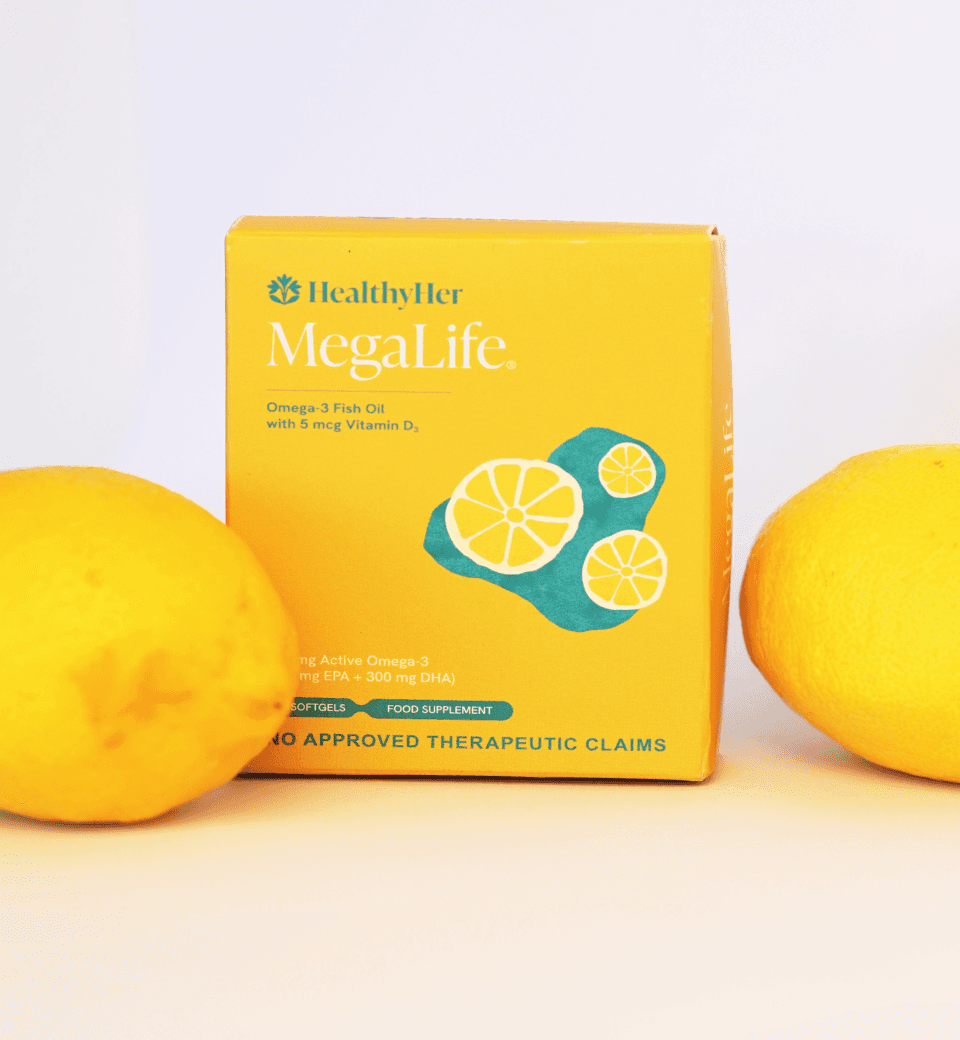
Whether you're in your 20s, managing early symptoms, or in your 40s, MegaLife addresses the root causes that matter at every age: insulin resistance, chronic inflammation, hormone imbalance, and ovarian function.
High-purity Omega-3 EPA/DHA (600mg + 300mg) and Vitamin D3. One softgel daily with breakfast.
In your 20s: Build a strong foundation early
In your 30s: Support fertility and metabolic health
In your 40s+: Protect your long-term health
New to PCOS? Start with our complete guide to understanding PCOS. Want to track how your symptoms evolve? Learn how to identify and track 7 common PCOS symptoms.
Want to keep learning about PCOS?
Here are articles we recommend reading to learn more about it.