
PCOS Foundation
What is PCOS? A clear guide to symptoms and causes
By
The HealthyHer Team
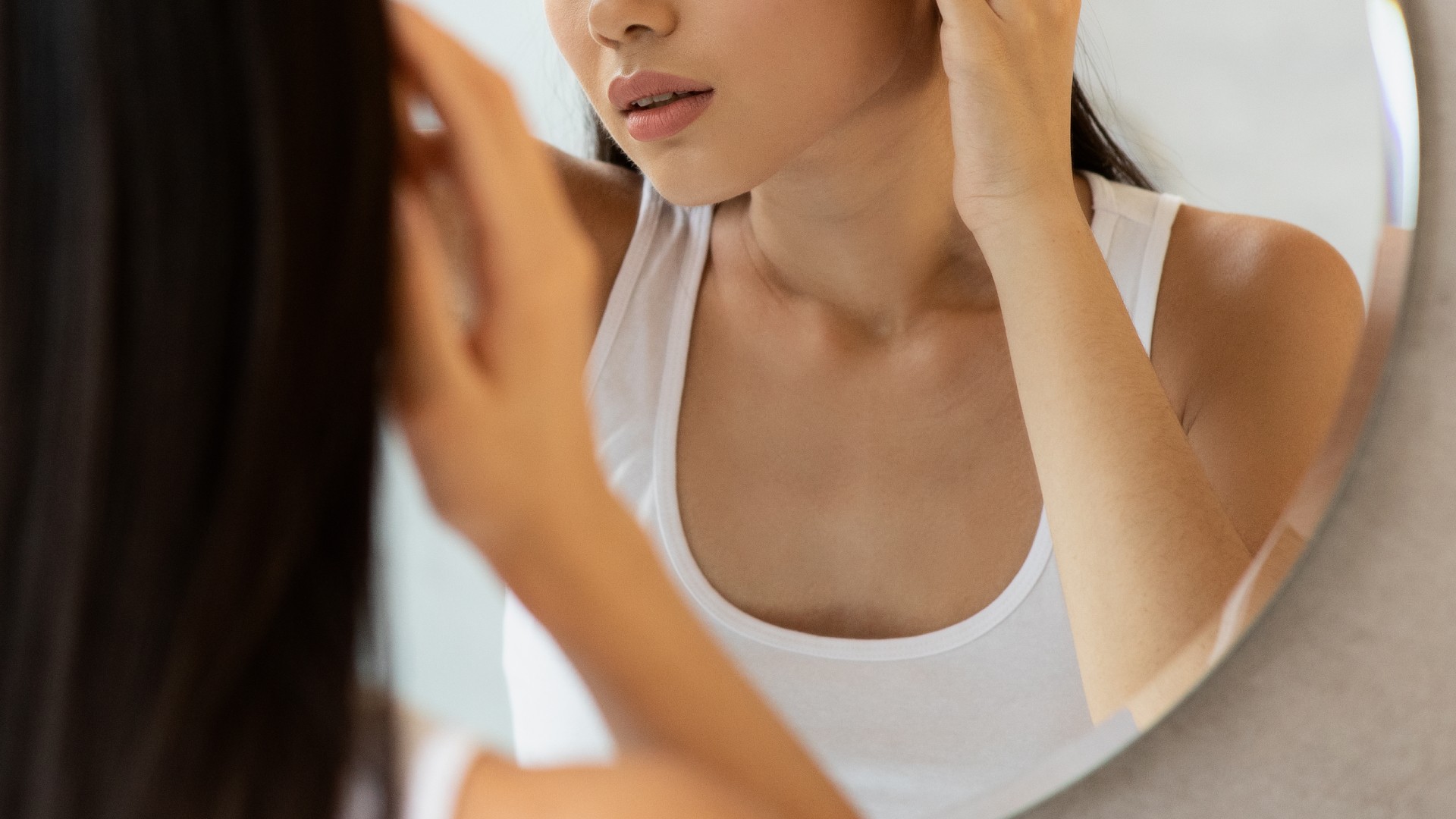
PCOS (Polycystic Ovary Syndrome) affects 1 in 10 Filipino women, causing irregular periods, weight gain, and hormonal imbalances—often undetected.
One day, everything feels normal. Then, all of a sudden, you might start experiencing irregular periods, unexplained weight gain, or persistent acne. You begin to ask yourself, "What's happening to my body?"
These are common signs of PCOS. However, PCOS appears differently for every woman, and many remain undiagnosed for years.
Recognizing PCOS early is especially important for Filipino women. Unfortunately, many symptoms are often dismissed as 'normal' or go undiagnosed for years, making awareness even more critical.
Because of this, it's important for us to understand what PCOS is, what symptoms to watch out for, and when to get help.
To help you on this journey, this guide shows everything you need to know about PCOS. And because this topic can feel a little overwhelming, especially if this is your first time hearing about it, we'll break everything down in clear, simple terms.
What is PCOS?
PCOS stands for Polycystic Ovary Syndrome. It's a hormonal disorder that commonly affects women aged 15 to 44. But while the name has “Polycystic” in it, you don't actually need to have cysts on your ovaries to have PCOS.
Irregular periods. In simple terms, unpredictable periods.
High androgen levels. In simple terms, hormones we don’t normally have plenty of.
Polycystic ovaries. In simple terms, ovaries with small, undeveloped egg follicles (sometimes described as "cysts," though they aren't actually cysts).
Don’t worry about understanding these things right away, because we’ll tell you more about these later. What you need to remember for now is that it's very manageable, especially if addressed early on.
The condition affects your reproductive system, metabolism, and mental health. So the sooner you understand what’s happening to your body, the sooner you can make lifestyle changes or take medication and supplements.
It’s also important to keep in mind that many women with PCOS still live healthy lives, successfully manage their symptoms, and have children. If diagnosed, remember—you can take steps today to manage your health and future. Make your move toward better wellness now.
Learn how simple daily habits can help manage these root causes.
What causes PCOS? The 4 main root causes of PCOS
The truth is, doctors don't know exactly what causes PCOS. Research suggests it's a mix of different things happening in your body at the same time. But there are four main root causes:
Genetics and Family History
PCOS tends to run in families. If your mom, sister, or aunt has it, you have a higher risk too.
Insulin Resistance
Many women with PCOS have trouble processing sugar. Your body uses insulin to turn sugar into energy. And with PCOS, insulin doesn't work properly, so your body makes more to compensate. Extra insulin tells your ovaries to make more male hormones. This leads to irregular periods, acne, and unwanted hair growth.
Chronic Inflammation
Women with PCOS often have low-grade inflammation in their bodies. This ongoing inflammation triggers your ovaries to produce more male hormones, leading to symptoms like excess facial hair and skin problems.
Hormone Imbalance
At the core of PCOS is too much testosterone and other male hormones. This hormone imbalance causes most of the symptoms you experience.
Things to remember
|
What are the common symptoms of PCOS?
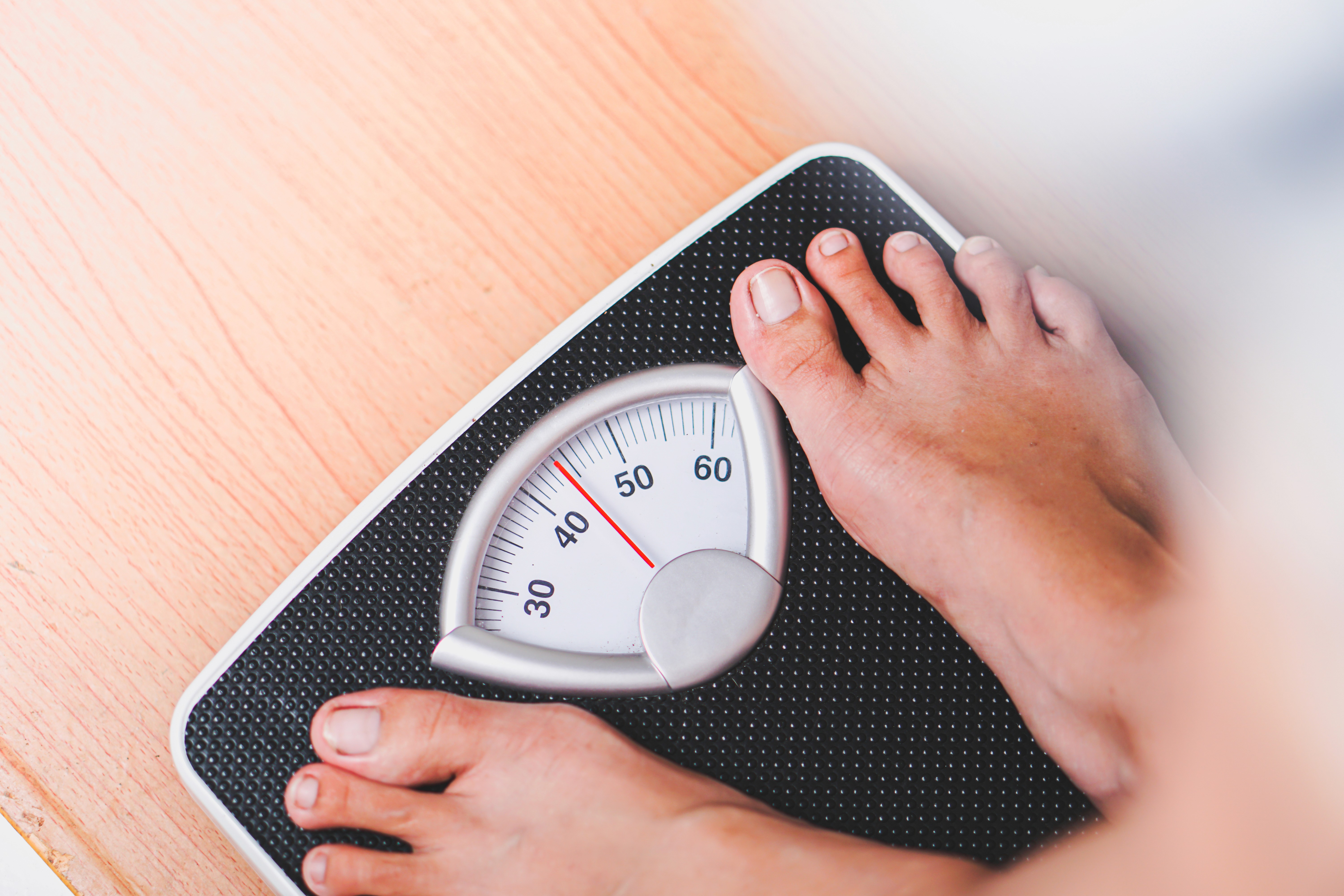
PCOS symptoms are different between women. Some experience severe symptoms, while others have very mild ones.
You don't need all of these symptoms to have PCOS, but having just a few is enough reason to talk to your doctor. Here’s a checklist that may suggest you have PCOS:
Physical Symptoms
Irregular or absent periods. You might have this if you experience fewer than eight periods a year, have unpredictable cycles, or go months without a period. This is often the first sign women notice.
Weight gain. You may notice weight gain around your stomach and waist and find it difficult to lose weight even with diet and exercise.
Excess hair growth. You may notice hair growing on your face, upper lip, chin, chest, back, or stomach. These are areas where women usually don't have much hair.
Hair thinning. You might be experiencing hair thinning if you notice hair loss, a receding hairline, or baldness.
Skin issues. Look for persistent acne, especially on the face, chest, and upper back. You might also have oily skin or dark skin patches on the neck, groin, or under the breasts.
Metabolic and Hormonal Signs
Insulin resistance. When your body has trouble using insulin, it makes it easier to gain weight and increases the chances of developing type 2 diabetes.
High androgens. When the body produces too many androgens, this causes the excess hair growth and acne you might be experiencing.
Difficulty getting pregnant. Because PCOS causes irregular ovulation, conception also gets harder. Many women still get pregnant with treatment.
Emotional Symptoms
Anxiety and depression. These can be caused by stress, hormonal imbalances, or life changes. Watch out for feelings of persistent sadness, restlessness, or excessive worry.
Mood swings. Often triggered by stress, hormonal changes, or mental health conditions. Be aware of sudden shifts in emotions that seem difficult to manage.
Persistent fatigue and low energy. This may result from poor sleep quality, nutritional deficiencies, or underlying health issues. Look out for constant tiredness that doesn't improve with rest.
Remember, every woman's PCOS experience is different. Some have mostly physical symptoms, while others struggle more with emotional ones. Your symptoms may also change over time.
Want to track these symptoms? Read our guide on 7 common PCOS symptoms and how to track them.
When to seek help
See a doctor soon if you experience any of these:
You haven't had a period in several months
Your symptoms are starting to affect your mental health and daily life
You have trouble getting pregnant
What to do if I have PCOS?
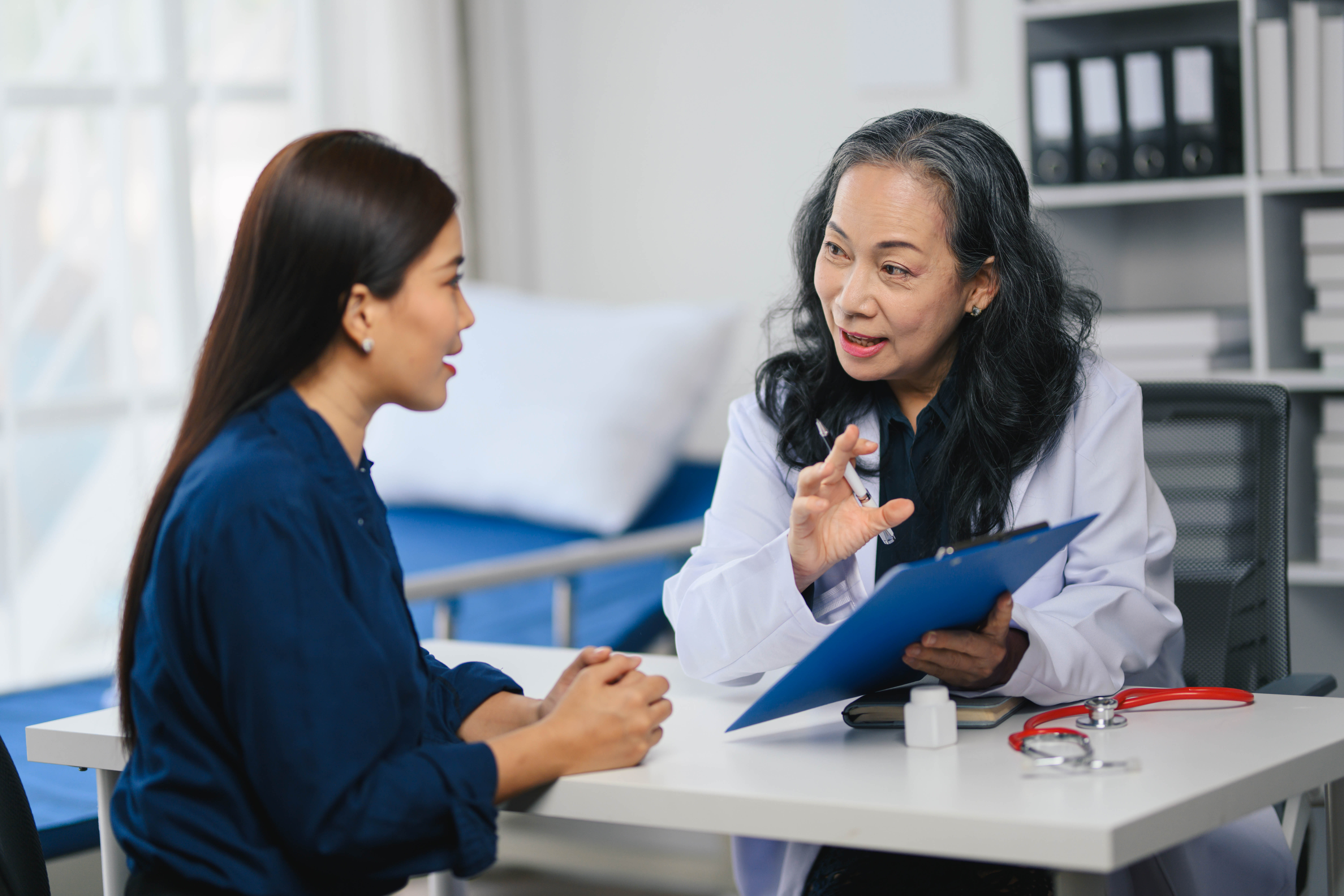
If you think you might have PCOS, it’s time to see a doctor who will test your hormones and do an ultrasound. If you have PCOS, you'll work together on a treatment plan that might include eating better, exercising, managing stress, and possibly taking medications or supplements.
Step 1: See a healthcare provider
Make an appointment with a doctor who specializes in PCOS or hormonal conditions. You can call hospitals and clinics and ask for an OB-GYN or endocrinologist.
Where to get help in the Philippines:
OB-GYNs at major hospitals and clinics
Clinics and endocrinologists who specialize in PCOS
Step 2: Get diagnosed
Your doctor will run three tests to confirm if you have PCOS: pelvic exam, blood tests, and pelvic ultrasound.
You'll be diagnosed with PCOS if you have 2 out of 3 of these:
Irregular periods
High androgen levels
Polycystic ovaries on ultrasound
Step 3: Start your treatment plan
After consulting with healthcare professionals and being diagnosed with PCOS, you can now work together to make a personalized plan that meets your unique needs.
Your treatment plan might include:
Lifestyle changes: Diet, exercise, stress management
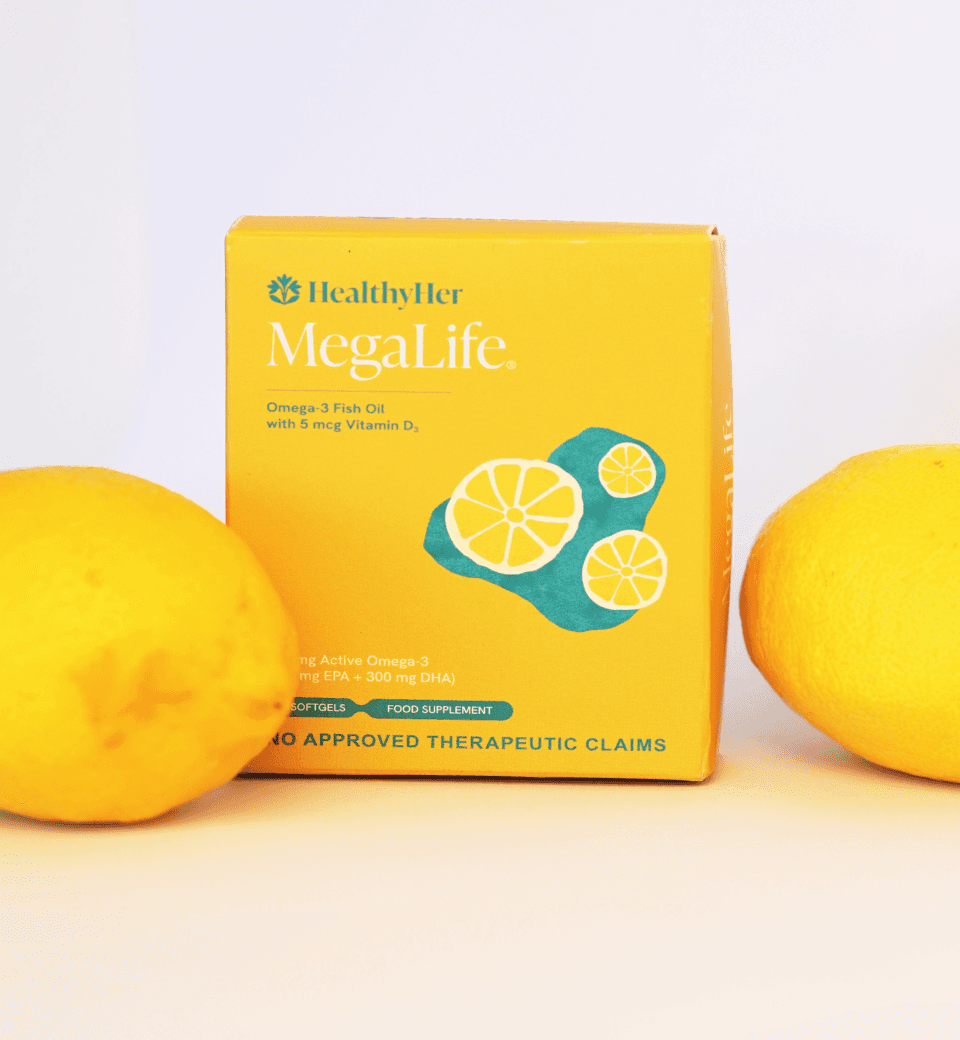
Medications and supplements: Treatments like Omega D3 and calming herbal tea
Fertility support: If you're trying to conceive
Bonus step: Join a support community
We recommend connecting with others who understand what you're going through.
PCOS support groups you can join:
Facebook support groups. You can try searching for "PCOS Philippines" or "PCOS support" to find active Filipino communities.
HealthyHer newsletter. We write support articles to always make sure you feel supported throughout your journey. You can join our newsletter here.
Living well with PCOS
PCOS is common and manageable. With the right knowledge and support, you can live a healthy, fulfilling life. The key is understanding your body, working with healthcare providers, and making lifestyle changes that support your health.
Always remember that having PCOS doesn't define you. Thousands of women successfully manage PCOS every day, and you can too.
Curious what PCOS looks like at your age? Discover what PCOS looks like in your 20s, 30s, and beyond.
Support your body from the root causes
Now that you understand PCOS is driven by insulin resistance, inflammation, and hormone imbalance, you can take action.
Want to keep learning about PCOS?
Here are articles we recommend reading to learn more about it.