
PCOS Foundation
Why Don’t We Talk About PCOS in the Philippines?
By
The HealthyHer Team

PCOS affects one in ten women of reproductive age around the world, including those in the Philippines.
Experts think the real number may be even higher, since many cases are never diagnosed.
If PCOS isn’t managed, it can lead to insulin resistance, type 2 diabetes, anxiety, depression, and fertility issues. Many Filipina women never get to address these risks because PCOS is rarely talked about.
So why is PCOS still such a hidden issue? Here are five main reasons:
5 Reasons PCOS Remains Unspoken
1. Cultural Shame About Reproductive Health
In many Filipino families, topics like periods, hormones, or fertility are seen as private or even embarrassing.
This attitude is passed down through generations. When mothers don’t talk to their daughters about reproductive health, the silence goes on. Symptoms are ignored, and conditions like PCOS can go unnamed for years.
2. The “Bahala Na” Attitude and Ignoring Symptoms
Irregular periods? Ganyan talaga. Gaining weight for no reason? Stress lang yan. Facial hair? Too embarrassing to bring up.
The bahala na mindset leads many women to accept symptoms that really need medical attention. When family or friends agree, it can feel like there’s no need to get help.
3. Limited Access to Healthcare
Getting a PCOS diagnosis isn’t easy. It often requires blood tests, hormone checks, and an ultrasound. For women outside Metro Manila, this can mean long trips, costly doctor visits, and clinics that are far from home.
When healthcare is hard to reach, conditions that aren’t life-threatening often get ignored, even if they quietly affect your quality of life.
4. PCOS Isn't Taught in Schools or Shown in Media
Think back to your health classes—was PCOS ever brought up?
Probably not. In the Philippines, reproductive health education rarely covers more than the basics. Mainstream media doesn’t help fill that gap either.
When women grow up not knowing about PCOS, they can’t recognize it in themselves. They also can’t ask for help if they don’t know what to look for.
5. Not Knowing Where to Get Help
Many women feel something is wrong, but they don’t know which doctor to see, what tests to ask for, or how to begin.
Should you see a general practitioner, an OB-GYN, or an endocrinologist? Most women aren’t sure. When the next steps aren’t clear, it’s easy to do nothing, especially when doctor visits are costly and time is short.
Without clear guidance on getting a PCOS diagnosis, many women stay stuck—not because they don’t care about their health, but because the system makes it hard to know where to start.
The Real Cost of Staying Silent
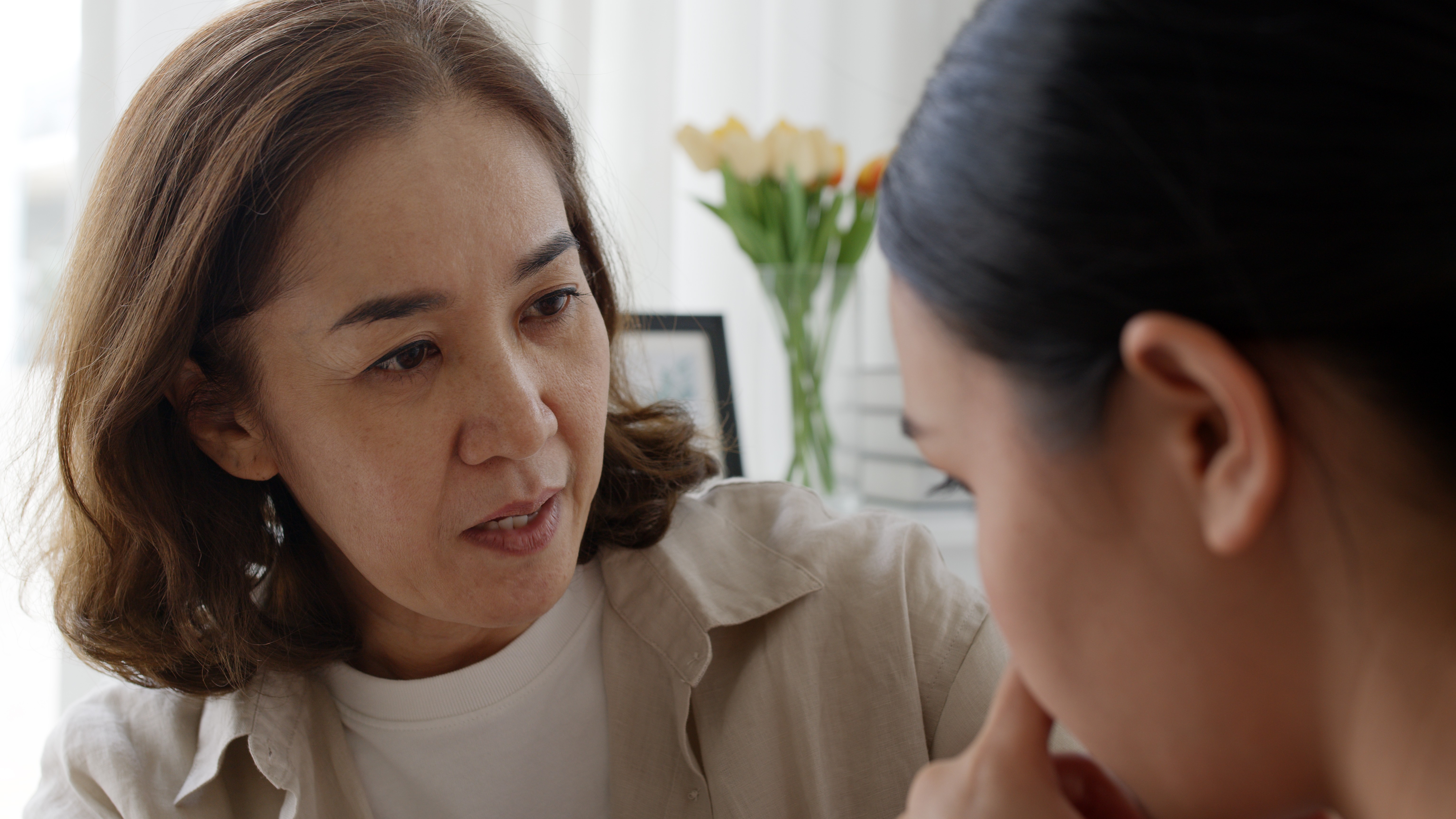
When PCOS isn’t diagnosed, women can spend years feeling like something is wrong without ever knowing what it is.
Depression and anxiety are two to three times more common in women with PCOS than in the general population. Skin problems and hair changes can slowly hurt confidence. Fertility worries often go unaddressed until they become harder to manage.
And since no one talks about it, women end up carrying these struggles by themselves.
PCOS can affect anyone, no matter their income, education, or where they live. But getting diagnosed and treated isn’t equally easy for everyone.
How Can We Start Changing the Conversation?
The good news is that things are slowly changing. More Filipina women are sharing their PCOS stories online, and more advocates are raising awareness. Here’s how we can all help make a difference.
For individuals: Start the conversation
You don’t have to be an expert. Sharing your experience with a friend, a sister, or even online can encourage someone else to do the same. Every conversation helps break the stigma.
For healthcare providers: Ask more thoughtful questions
Including PCOS in regular checkups and listening for more than just the obvious symptoms could help women get diagnosed much sooner. Women deserve to be taken seriously.
For media and influencers: Use your voice
When a public figure talks openly about PCOS, it can reach people that medical campaigns might miss. Visibility is important, especially in a culture where seeing someone like you talk about something makes it feel safer to learn more.
For policymakers: Make access easier
PCOS awareness should be included in public health efforts. Making tests more affordable, improving OB-GYN access in the provinces, and teaching reproductive health in schools could change the lives of thousands of women.
Your Voice Matters
If you’re diagnosed with PCOS, talk about it. Start with your sister, then your friends, and then maybe online. Change begins with one conversation at a time.
Irregular periods aren’t always just stress. Acne isn’t always just hormones. Your symptoms deserve a real diagnosis, and you deserve a community that takes them seriously.
Every time we talk about PCOS, we help another woman feel empowered to seek help.
If you’re new to PCOS, check out our complete guide to symptoms and causes. Not sure if your symptoms are PCOS? Learn how to spot and track seven common signs.
Want to keep learning about PCOS?
Here are articles we recommend reading to learn more about it.