
PCOS Foundation
The PCOS-Friendly Daily Routine for Women on the TTC Journey
By
The HealthyHer Team

Trying to conceive with PCOS can sometimes feel like you are doing everything you can and still waiting for your body to cooperate. Between irregular cycles, hormonal fluctuations, stress, and the pressure of timing everything “perfectly,” the journey can quickly become overwhelming.
But fertility support does not have to mean extreme routines or complicated wellness trends. In many cases, the most meaningful changes come from small, consistent habits that support your body every day.
Creating a realistic PCOS daily routine for fertility is not about controlling every outcome. It is about building a rhythm that supports your hormones, energy levels, emotional well-being, and reproductive health in a sustainable way.
From nourishing meals and gentle movement to stress management and proper supplementation, your daily routine can become a form of support rather than another source of pressure. With the help of wellness companions like MegaLife and HelloCalm, women who are trying to conceive with PCOS can take small but intentional steps toward feeling more balanced and supported.
Understanding the Connection Between PCOS and Fertility
PCOS, or polycystic ovary syndrome, is a hormonal condition that can affect ovulation, menstrual regularity, metabolism, and fertility. While every woman experiences PCOS differently, common symptoms may include irregular periods, acne, fatigue, weight fluctuations, or difficulty conceiving.
One of the reasons PCOS lifestyle changes for fertility matter so much is because hormones are closely connected to everyday habits. Factors like stress, blood sugar levels, sleep quality, and nutrition can all influence how the body functions hormonally.
For many women with PCOS, insulin resistance also plays a role. When blood sugar levels fluctuate too often, it may affect reproductive hormones and ovulation patterns over time. Chronic stress can have a similar effect, especially when cortisol levels remain elevated for long periods.
This is why a supportive daily routine can be helpful. Rather than focusing on quick fixes, it encourages habits that may help stabilize:
Blood sugar levels
Energy and mood
Stress response
Hormonal balance
The goal is not perfection. It is consistency, patience, and creating a lifestyle your body feels safe and supported in.
Starting the Day With Gentle, Hormone-Supportive Habits
The way you begin your morning can influence your energy, mood, and stress levels for the rest of the day. A calm and balanced start may be especially helpful for women following a PCOS-friendly routine while trying to conceive.
Instead of jumping straight into emails or social media, try easing into the morning slowly. Even a few quiet minutes before checking your phone may help reduce feelings of stress and overstimulation.
Hydration is also an important first step. Drinking water shortly after waking can help support overall wellness and energy levels. Some women enjoy warm water or lemon water as part of their morning routine, though the most important thing is simply staying hydrated consistently.

Gentle movement can also help the body wake up without placing additional stress on the nervous system. This could include:
Stretching
A short walk outdoors
Yoga or mobility exercises
Light breathing exercises
Breakfast is another important part of a fertility-supportive routine. Many women with PCOS benefit from meals that combine protein, fiber, and healthy fats to help support steadier energy levels throughout the day.
Some balanced breakfast ideas include:
Eggs with avocado and whole grain toast
Greek yogurt with berries and nuts
Oatmeal topped with chia seeds and nut butter
A protein smoothie with fruits and greens
This can also be a good time to incorporate MegaLife into your routine. As part of a consistent wellness habit, MegaLife supports reproductive health and helps provide nutritional support for women navigating hormonal changes and fertility goals. Pairing supplementation with nourishing meals and healthy habits may help create a more supportive foundation for overall wellness.
Nourishing Your Body Throughout the Day
Nutrition plays an important role in supporting hormone balance and fertility, especially for women with PCOS. But healthy eating does not need to feel restrictive to be effective.
Instead of focusing on strict rules, it may help to think about creating meals that keep you satisfied, energized, and nourished consistently throughout the day.
One helpful strategy is supporting stable blood sugar levels. This may include:
Eating balanced meals regularly
Including protein in every meal
Avoiding long periods without eating
Choosing more fiber-rich carbohydrates
Women following a PCOS diet for fertility often focus on foods such as:
Leafy greens
Whole grains
Lean proteins
Nuts and seeds
Omega-3 rich foods
Fruits rich in antioxidants
At the same time, it may help to be mindful of highly processed foods, sugary beverages, and excessive caffeine intake, especially if these leave you feeling fatigued or overstimulated.
The goal is not to eliminate every indulgence. A sustainable routine leaves room for flexibility, enjoyment, and real life. Consistency matters far more than trying to eat “perfectly” every single day.
For women wondering how to improve fertility with PCOS naturally, daily nourishment is often one of the most supportive places to start.
Moving Your Body Without Overwhelming It
Exercise can support insulin sensitivity, circulation, mood, and hormonal regulation, but more is not always better.
Many women with PCOS benefit from movement that feels supportive rather than exhausting. Overly intense exercise, especially when combined with stress or under-eating, may sometimes place additional strain on the body.
Instead, focus on consistency and balance.

Helpful forms of movement may include:
Walking
Strength training
Pilates
Low-impact cardio
Yoga or stretching
Even short bursts of activity throughout the day can make a difference. A 10- to 15-minute walk after meals or regular stretch breaks during work hours may help support energy and overall wellness.
Remember that movement should not feel like punishment. It should feel like care.
Why Stress Management Matters on the TTC Journey
The emotional side of trying to conceive is often just as significant as the physical side. Many women silently carry feelings of frustration, anxiety, disappointment, or pressure throughout the process.
This is why stress management for PCOS fertility deserves just as much attention as nutrition and exercise.
When stress becomes chronic, the body may remain in a heightened state of alertness. Over time, elevated cortisol levels can influence sleep, energy, mood, and hormonal balance.
Building calming habits into your day may help support both emotional well-being and overall reproductive health.
Simple daily practices can include:
Deep breathing exercises
Journaling
Spending time outdoors
Limiting overstimulation
Practicing mindfulness
Taking intentional breaks throughout the day
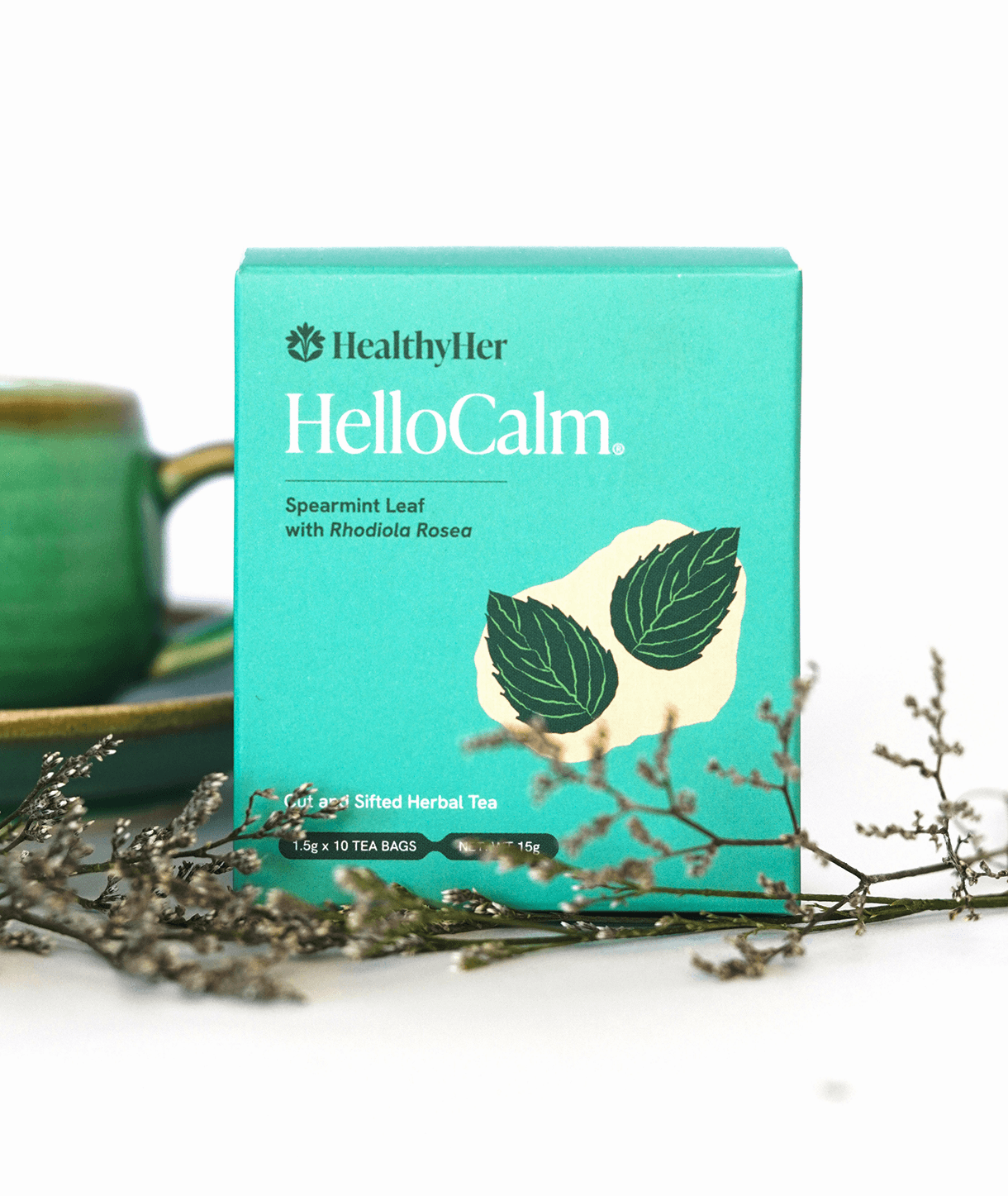
HelloCalm can also become part of a supportive emotional wellness routine. Designed to help promote relaxation and calm, HelloCalm complements a fertility-supportive lifestyle by helping women manage daily stress more intentionally.
Together, MegaLife and HelloCalm can support both the physical and emotional aspects of the TTC journey, helping create a more balanced daily rhythm.
Supporting Your Hormones With Better Rest
Sleep is often overlooked in conversations about fertility, but rest plays an important role in hormone regulation, recovery, and overall wellness.

Poor sleep may affect stress levels, energy, mood, and daily habits, all of which can influence hormonal balance over time.
Creating a calming evening routine does not have to be complicated. Small habits may help signal to the body that it is time to slow down and rest.
Try incorporating habits such as:
Reducing screen time before bed
Eating a balanced evening meal
Keeping a consistent bedtime
Reading or listening to calming music
Taking a warm shower before sleep
Many women also find that creating a relaxing nighttime routine with HelloCalm helps support a calmer transition into rest.
When it comes to fertility wellness, rest is not laziness. It is part of caring for your body.
Small Daily Habits Can Create Meaningful Change
One of the hardest parts of the TTC journey is wanting immediate answers and immediate results. But hormone health often responds gradually, especially for women managing PCOS.
This is why building realistic daily habits for PCOS fertility matters.
Small, consistent actions may support:
More stable energy
Better stress management
Improved mood
More regular cycles
A stronger sense of balance and routine
Rather than trying to overhaul your life overnight, start with a few manageable habits and build from there.
Your routine might look something like this:
Morning: Hydration, balanced breakfast, MegaLife
Afternoon: Nourishing meals and light movement
Evening: Wind-down routine and HelloCalm
Simple routines can still be powerful.
Supporting Your Fertility One Day at a Time
There is no single perfect routine for every woman with PCOS. Your body, lifestyle, and fertility journey are uniquely your own.
But creating a supportive PCOS-friendly routine can help you feel more grounded, nourished, and empowered throughout the TTC process.
Whether it is choosing balanced meals, prioritizing rest, managing stress, or taking supportive supplements like MegaLife and HelloCalm, every small step counts.
Most importantly, remember that your journey does not need to look perfect to be meaningful. Consistency, patience, and self-compassion matter too.
Your body deserves support, care, and kindness every step of the way.
Want to keep learning about PCOS?
Here are articles we recommend reading to learn more about it.