
PCOS Foundation
How Managing Stress Can Support Your Fertility Journey When You Have PCOS
By
The HealthyHer Team

Trying to conceive while managing PCOS can feel emotionally and physically exhausting at times. Between irregular cycles, hormonal fluctuations, lifestyle adjustments, and the uncertainty that often comes with the journey, it’s understandable to feel overwhelmed. Some days, it may even feel like your hormones are running the group chat without you. While nutrition, movement, and reproductive support are often discussed, one important factor is sometimes overlooked: stress.
The connection between stress and PCOS fertility is more significant than many women realize. Chronic stress doesn’t just affect your mood or energy levels. It can also influence hormone balance, ovulation, sleep, inflammation, and overall reproductive health.
This doesn’t mean you need to eliminate stress completely or strive for a “perfect” routine. (Because let’s be honest, trying to “relax perfectly” can sometimes become stressful too.) Instead, small and sustainable habits that help your body feel more supported and regulated may make a meaningful difference over time.
For women trying to conceive with PCOS, caring for emotional well-being is just as important as supporting physical health. Alongside healthy lifestyle habits, creating small moments of rest, calm, and support throughout the day may help women feel more balanced physically and emotionally during the TTC journey.
Understanding the Stress–PCOS–Fertility Connection
PCOS is a hormonal condition that can affect ovulation, menstrual regularity, metabolism, and fertility. While every woman’s experience with PCOS is different, many women with the condition also experience higher levels of stress and anxiety during their fertility journey.
Stress itself is a normal part of life. However, chronic stress refers to prolonged or ongoing stress that keeps the body in a heightened state for extended periods of time. When this happens, the body produces higher levels of cortisol, often referred to as the body’s primary stress hormone.
The relationship between PCOS and stress fertility is closely connected because cortisol can influence several hormones involved in ovulation and reproductive health. Elevated stress levels may disrupt the communication between the brain and ovaries, making it more difficult for the body to ovulate regularly.
At the same time, the emotional pressure of trying to conceive with PCOS can create additional mental and physical strain. This is why stress management is not simply about relaxation. It’s about supporting the body in creating a more balanced internal environment.
How Chronic Stress Impacts Fertility in Women with PCOS
Stress May Disrupt Ovulation
Ovulation depends on a delicate balance of hormones and signals between the brain and reproductive system. Chronic stress may interfere with these signals, which can contribute to delayed, irregular, or absent ovulation.
For women already navigating PCOS-related ovulation challenges, ongoing stress may make cycles feel even more unpredictable. This is one reason why conversations around stress and PCOS fertility have become increasingly important.
Stress Can Worsen Insulin Resistance
Many women with PCOS also experience insulin resistance, which can affect hormone production and ovulation. Elevated cortisol levels may contribute to blood sugar fluctuations and increase insulin resistance over time.
When stress levels remain high, the body may crave more sugar, experience energy crashes, or feel more fatigued throughout the day. Supporting stress management alongside nutrition and movement habits may help women feel more balanced overall.
Chronic Stress May Increase Inflammation
Inflammation is another factor commonly linked to PCOS. Long-term stress may contribute to increased inflammation in the body, which can affect reproductive health and overall well-being.
While stress alone is not the sole cause of fertility difficulties, understanding how stress affects fertility in PCOS may help women take a more holistic approach to their health.
Poor Sleep Can Affect Hormonal Balance
Stress and sleep are closely connected. When the body feels constantly overwhelmed or overstimulated, it may become harder to fall asleep or stay asleep consistently.
Poor sleep can affect cortisol levels, reproductive hormones, energy, and mood. Over time, this cycle may leave women feeling physically drained and emotionally depleted.
Prioritizing rest and recovery can be an important part of hormonal balance support for PCOS, especially during the TTC journey.
Emotional Stress Can Feel Heavy During TTC
Trying to conceive can already feel emotionally demanding, especially when progress feels uncertain. Women with PCOS may experience frustration, disappointment, anxiety, or pressure along the way.
These emotions are valid and understandable. Creating space for emotional support, rest, and self-care can help make the journey feel more manageable — and remind you that you’re still a person, not just a cycle tracker.
Signs Stress May Be Affecting Your Fertility Journey
Stress can show up differently for everyone. However, some common signs that stress may be impacting your body include:
Irregular or delayed menstrual cycles
Difficulty tracking ovulation
Persistent fatigue despite getting enough rest
Increased cravings or blood sugar swings
Feeling emotionally overwhelmed or anxious
Trouble sleeping or waking up feeling unrested
Increased irritability or mood fluctuations
While these experiences do not automatically mean stress is affecting fertility, they may be signs that the body could benefit from more support and recovery.
Simple Daily Habits to Manage Stress and Support Fertility
The good news is that stress management doesn’t have to involve complicated wellness routines or drastic lifestyle changes. Small, consistent habits can help support both emotional well-being and reproductive health over time.
Start the Morning Gently
The way we begin the day can influence stress levels throughout the rest of it. Instead of immediately rushing into work, notifications, or responsibilities, even a few quiet minutes in the morning may help regulate cortisol early in the day.
This might look like:
Deep breathing
Gentle stretching
Journaling
Sitting quietly with tea
Avoiding screens for the first few minutes after waking
These simple moments can help create a calmer foundation for the day ahead.
Focus on Nourishing, Balanced Meals
Balanced meals may help support steady energy levels and reduce stress-related blood sugar fluctuations.
Women navigating daily habits for PCOS fertility may benefit from meals that include:
Protein
Fiber-rich vegetables
Healthy fats
Complex carbohydrates
Skipping meals or relying heavily on sugary snacks may contribute to energy crashes and elevated stress responses throughout the day.
Choose Movement That Supports, Not Stresses, the Body
Exercise can support mood, circulation, and hormonal health, but it’s important to choose movement that feels sustainable and supportive.
For some women, intense workouts every day may leave the body feeling more stressed or depleted. Gentle forms of movement such as walking, yoga, stretching, pilates, or light strength training may feel more supportive during certain seasons of the fertility journey.

Listening to your body matters. Rest days are productive too.
Create Small Moments of Calm Throughout the Day
Stress management doesn’t only happen during vacations or spa days. Small moments of calm throughout everyday life can also make a difference.
This could include:
Taking short breaks during work
Going outside for fresh air
Listening to calming music
Practicing mindfulness
Limiting overstimulation when possible
Consistency is more important than perfection. Tiny calming habits done regularly often feel more sustainable than dramatic wellness overhauls that last three days.
Where HelloCalm Fits Into Your Daily Routine
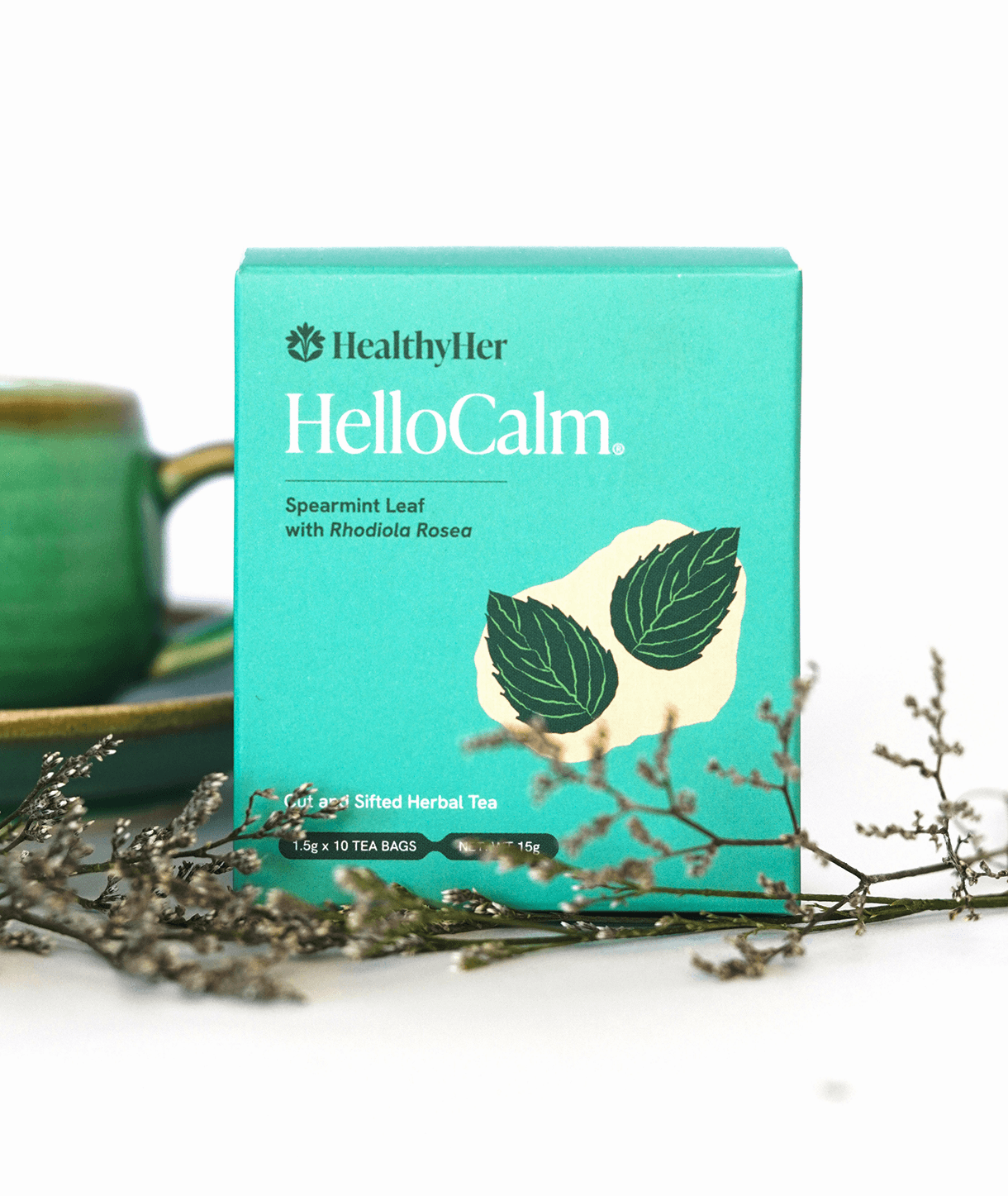
For women experiencing emotional stress during the TTC journey, HelloCalm may help provide gentle daily support.
HelloCalm is designed to support relaxation and emotional balance, helping women create more moments of calm throughout the day. For women looking for stress relief for women trying to conceive, adding supportive habits and supplements into a daily routine may help the journey feel more manageable.
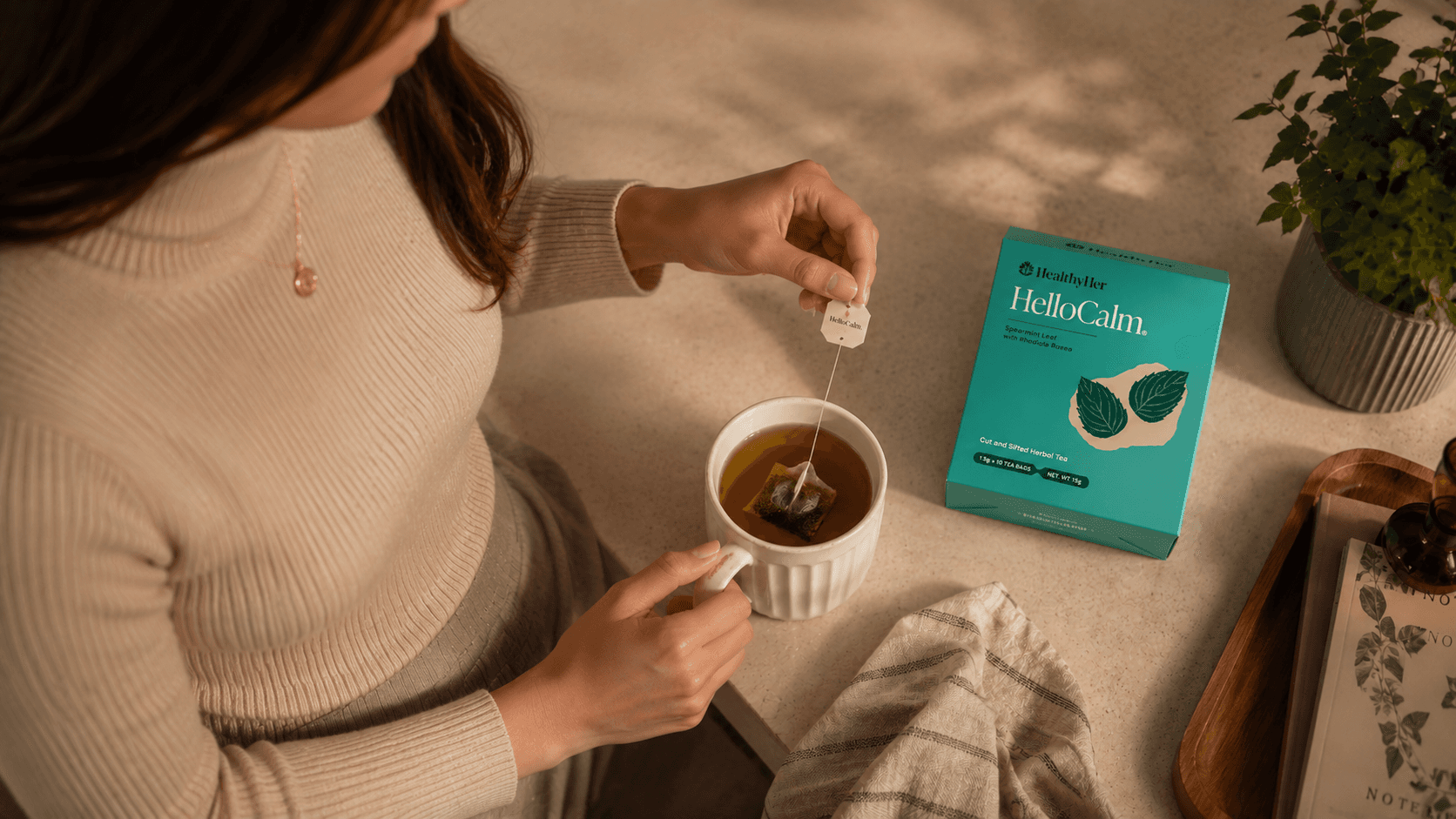
Rather than being another overwhelming step in a fertility routine, HelloCalm can become part of a simple and sustainable approach to self-care. Think less “strict wellness checklist” and more gentle daily support.
Because chronic stress and ovulation are closely connected, supporting the body’s stress response may also help support overall hormonal balance.
Supporting Hormonal Balance with MegaLife
Alongside stress management, reproductive health support also plays an important role during the TTC journey.
MegaLife helps support reproductive wellness and hormonal balance for women with PCOS. When paired with healthy lifestyle habits and stress management efforts, it can become part of a more holistic fertility support routine.
For women managing stress for fertility, combining emotional wellness support with reproductive health support may help create a stronger foundation for overall well-being.
Why Stress Management and Hormonal Support Work Best Together
When it comes to PCOS and stress fertility, there is rarely one single solution. Fertility journeys are deeply personal and often involve multiple factors working together.
Stress management alone may not address every PCOS symptom, and hormonal support alone may not fully address emotional well-being. This is why a balanced and sustainable approach matters.
Together:
HelloCalm helps support relaxation and stress management
MegaLife helps support reproductive health and hormonal balance
Healthy lifestyle habits help support overall wellness
Combined, these efforts may help women feel more supported physically and emotionally throughout the TTC journey.
Creating a Sustainable Routine That Supports You
It’s easy to feel pressure to “do everything right” while trying to conceive. Suddenly, every Google search, symptom, or late-night scroll can feel deeply personal. But in reality, sustainable habits are often more supportive than extreme routines.
Managing stress does not mean avoiding every difficult emotion or maintaining perfect balance all the time. It simply means creating more opportunities for rest, nourishment, calm, and support where possible.
Even small changes can matter:
Sleeping a little earlier
Eating more balanced meals
Taking regular breaks
Moving your body gently
Asking for support when needed
Progress does not have to be perfect to be meaningful.
You Deserve Support on This Journey
Trying to conceive with PCOS can come with emotional ups and downs, but you do not have to navigate the journey alone.
Understanding the connection between cortisol and PCOS, emotional wellness, and reproductive health may help women take a more compassionate and holistic approach to fertility support.
Managing stress is not about adding pressure or doing more. It’s about supporting your body with care, consistency, and balance.
With daily lifestyle habits, emotional support, and supplements like HelloCalm and MegaLife, women can feel more supported throughout their fertility journey while creating space for both physical and emotional well-being.
Want to keep learning about PCOS?
Here are articles we recommend reading to learn more about it.