Her Health
We Have Tea to Spill, and It's the Kind That Reduces Stress
By
The HealthyHer Team
Your PCOS symptoms get worse when you're stressed. You already know this. Your acne flares before a big deadline. Your period disappears during exam season. Your skin gets oilier when work is chaotic.
But here's what you might not fully realize: stress triggers hormonal shifts that directly worsen your PCOS symptoms, creating a cycle that feeds itself.
The good news? There's a simple daily ritual that can help break that cycle. And yes, it involves tea.
How are Stress and Androgen Related to Each Other?
Most people think of stress as something they feel. But your body experiences stress as a physical event that triggers a cascade of hormonal changes.
Here's how it goes:
Stress raises cortisol. When you're under pressure, your adrenal glands release cortisol. In short bursts, this is actually helpful. But when cortisol stays high for too long, it becomes a problem.
High cortisol makes insulin resistance worse. Your body keeps your blood sugar elevated for "fight or flight" mode, even when you're just sitting at your desk trying to meet a deadline.
Insulin resistance raises insulin levels. Your pancreas has to produce more and more insulin just to do the same job.
High insulin levels raise androgens. Too much insulin tells your ovaries to produce more testosterone. It also lowers SHBG, the protein that normally binds and deactivates testosterone. The result is more free androgens floating around in your bloodstream.
High androgens make PCOS symptoms worse. Think acne, unwanted hair, irregular cycles, and hair thinning.
Worsening symptoms create more stress. And the whole cycle starts again.
This is why managing stress is not optional when you have PCOS. It is essential.
How Does Stress Make Your PCOS Worse?
Filipino work culture does not make any of this easy. Long hours, heavy traffic, family obligations, and the unspoken pressure to just push through exhaustion. All of this keeps cortisol chronically elevated for a lot of Filipina women.
And unlike one big stressful event that eventually passes, this kind of low-grade, everyday stress quietly disrupts your hormones day after day. No dramatic trigger. Just a body that never really gets the chance to wind down.
How Does Tea Help with Stress Management?
Spearmint Tea
Spearmint, specifically Mentha spicata, has been studied for its effects on androgen levels in women with PCOS.
Research shows that women with unwanted hair growth who drank spearmint tea twice a day for 30 days saw significant drops in free testosterone and increases in SHBG (Sex Hormone-Binding Globulin). Over time, consistent use can lead to slower facial hair growth, clearer skin, and more regular cycles.
Rhodiola Rosea
Rhodiola is an adaptogen, meaning it helps your body handle stress better rather than just masking it.
It works on the HPA axis to help normalize cortisol levels, reducing spikes and helping your body recover from stress faster. Studies show that rhodiola can lower cortisol levels and improve stress resilience, fatigue, and mental focus without the side effects of caffeine.
The Benefits of Reducing Stress for PCOS
Lower cortisol means better insulin sensitivity. Better insulin sensitivity means less androgen production. And better stress resilience means everyday pressures stop sending your hormones into that same reactive spiral over and over again.
What if your evening ritual could help?
You cannot eliminate stress from your life. But you can change how your body responds to it.
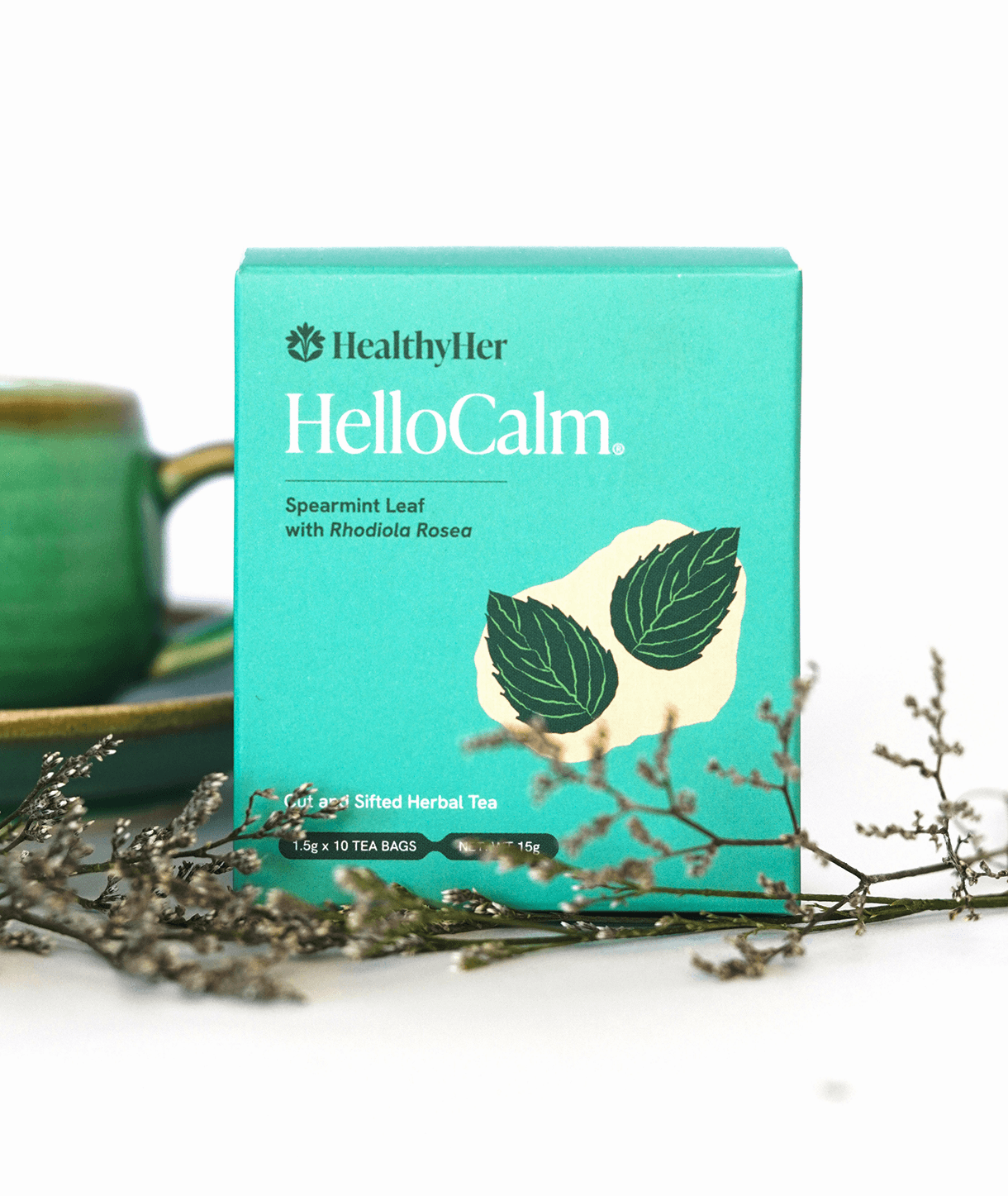
HelloCalm is a caffeine-free herbal tea blend made specifically for this. Spearmint leaf lowers free testosterone. Rhodiola rosea to help normalize cortisol. Stevia leaf for natural sweetness with no blood sugar impact.
This daily ritual isn't just about drinking tea; it's a comforting routine that helps your hormones stay balanced, and your mind feel calm and in control.
Why Transform This into a Ritual?
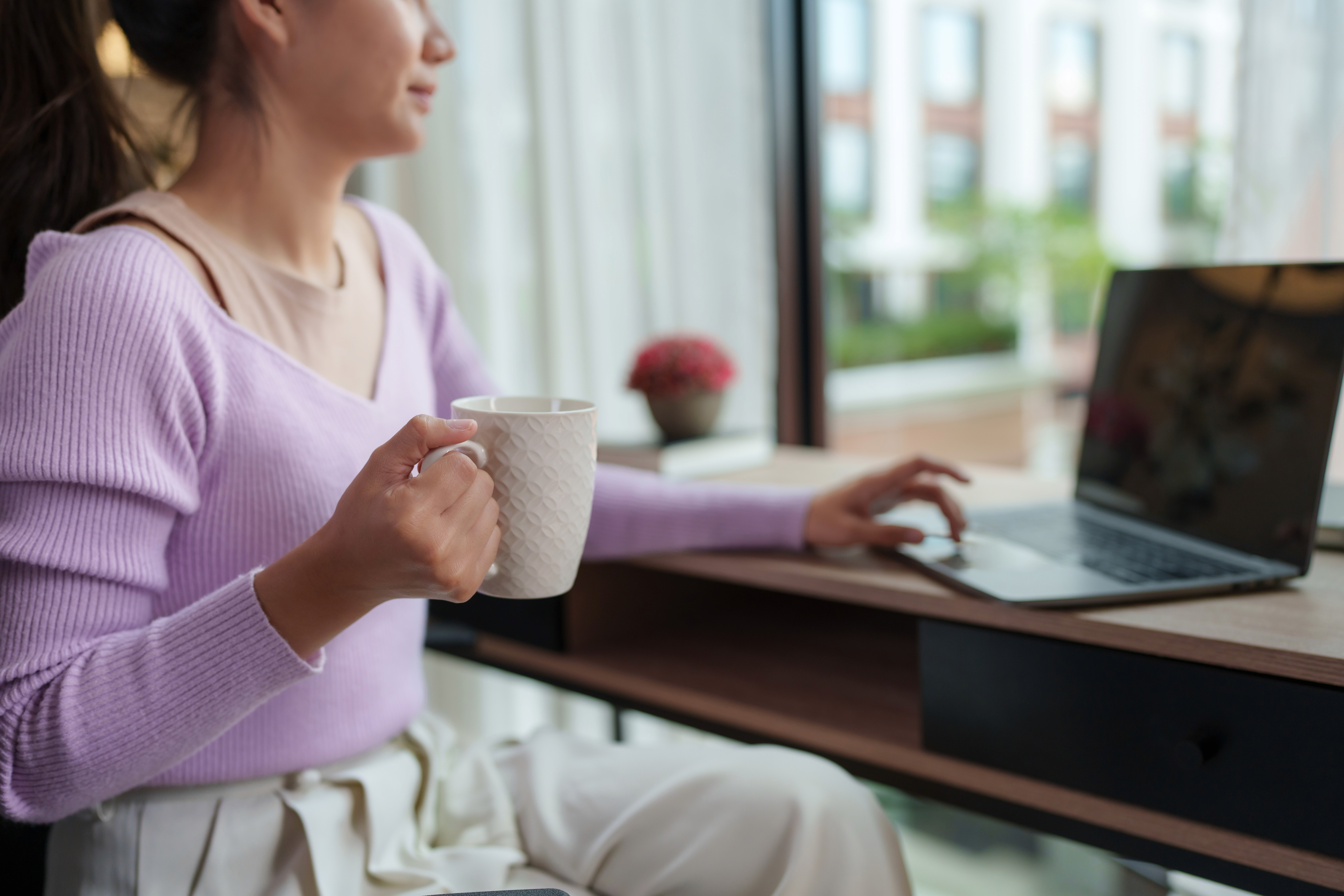
The simple act of preparing your tea-boiling water, steeping, and sitting quietly-gives your nervous system a gentle pause, making you feel more centered and relaxed.
When you boil water, steep your tea, and sit quietly as it cools, the warmth, steam, and aroma create sensory cues that signal to your brain you're safe, activating your calming nervous system.
Having a simple, reliable five-minute ritual each day can help women feel more stable and grounded despite life's uncertainties.
How to Make Tea and HelloCalm a Daily Habit
In the morning: Brew HelloCalm before you open your phone. Sip slowly while you plan your day or just sit in quiet. It sets a calmer tone before the demands start coming in.
In the afternoon: The 3 pm energy slump is real. Instead of reaching for coffee, which raises cortisol and disrupts sleep, pour HelloCalm over ice. It supports your hormones instead of working against them.
In the evening: Thirty to sixty minutes before bed, brew a cup as part of your wind-down. Dim the lights, put your phone down, and let the ritual tell your body that the day is done.
If you keep forgetting: Put the tea bags somewhere visible, next to your coffee maker or on your desk. Or attach it to something you already do: "After I close my laptop, I make tea." "After dinner, I brew HelloCalm."
If you do not like hot drinks: Brew it strong and pour it over ice. You can even refrigerate a batch so it is ready to grab at any time.
What to Look for in a PCOS-Friendly Herbal Tea
Look for: Spearmint specifically (Mentha spicata, not peppermint), a caffeine-free formula, no added sugars, adaptogens like rhodiola for stress support, and third-party testing for heavy metals and pesticides.
Avoid: Vague "detox" teas with no scientific basis, anything with caffeine, including green or black tea, and teas sweetened with sugar or artificial sweeteners.
A Note on Safety
HelloCalm is safe for most adults at one to two cups daily. Do not use this product during pregnancy or breastfeeding. If you are on blood pressure medication or antidepressants, check with your doctor before adding rhodiola. HelloCalm contains no caffeine and no known interactions with MegaLife.
Other Recommendations
Tea ritual is one of the most evidence-backed forms of real self-care. Learn how to tell the difference between genuine self-care and self-sabotage. Ready to build this into your full routine? See simple daily habits for PCOS management. And for complete hormonal support, check how Omega-3 and Vitamin D balance hormones.
Want to keep learning about PCOS?
Here are articles we recommend reading to learn more about it.