
Her Health
How Omega-3 and Vitamin D Support PCOS Hormone Balance
By
The HealthyHer Team
If you've been researching PCOS supplements, you've probably seen Omega-3 and Vitamin D come up again and again. But why do these two actually help? And what should you look for when buying them? Understanding their benefits can empower you to take control of your health journey.
Let's break it down simply so you know exactly what you're taking and why it works.
Why These Two Nutrients Matter for PCOS
PCOS is driven by a few connected problems: insulin resistance (when your body struggles to manage blood sugar), chronic inflammation (when your body remains in a constant low-grade state of stress), elevated androgens (higher than normal testosterone levels), and disrupted ovulation.
Most symptoms, such as irregular periods, acne, weight gain, and unwanted hair, trace back to these root causes.
Omega-3 fatty acids and Vitamin D3 are two of the most well-researched nutrients for directly addressing these problems. They work through different mechanisms, hit multiple PCOS pathways at once, and work better together than either one does on its own.
How Omega-3 Supports PCOS Management
Omega-3 fatty acids, specifically EPA and DHA, found in fatty fish, play a big role in managing PCOS symptoms. They are also more effective than the ALA type found in plant sources because your body can use EPA and DHA directly without first converting them.
Here's how Omega-3 helps:
Improves how your body handles blood sugar
Reduces inflammation
Lowers free testosterone
Supports more regular ovulation
How Vitamin D Supports PCOS Management
Here is something that surprises many people: even though we live in a tropical country with sunshine year-round, many Filipina women are Vitamin D deficient due to indoor work, air-conditioned environments, and sun avoidance, highlighting the importance of testing and supplementation.
Studies show that 67 to 85% of women with PCOS have low or insufficient Vitamin D. That is not a coincidence. Vitamin D plays a direct role in the hormonal and metabolic pathways disrupted by PCOS.
Here’s how Vitamin D helps:
Helps your body use insulin better
Supports healthy egg development
Helps balance testosterone and other hormones
Why These Two Work Better Together
Both nutrients improve blood sugar regulation, but through different pathways. Both reduce inflammation through different mechanisms. Both help lower free testosterone.
Think of it this way: Omega-3 improves how your cells function. Vitamin D ensures those cells receive the right signals to do their job. Together, they address PCOS from multiple angles at once.
Get Therapeutic Doses in One Daily Softgel
Getting consistent amounts from food alone is genuinely difficult. You would need to eat fatty fish four to five times a week and get daily sun exposure, in a country where many Filipinas actively avoid the sun.
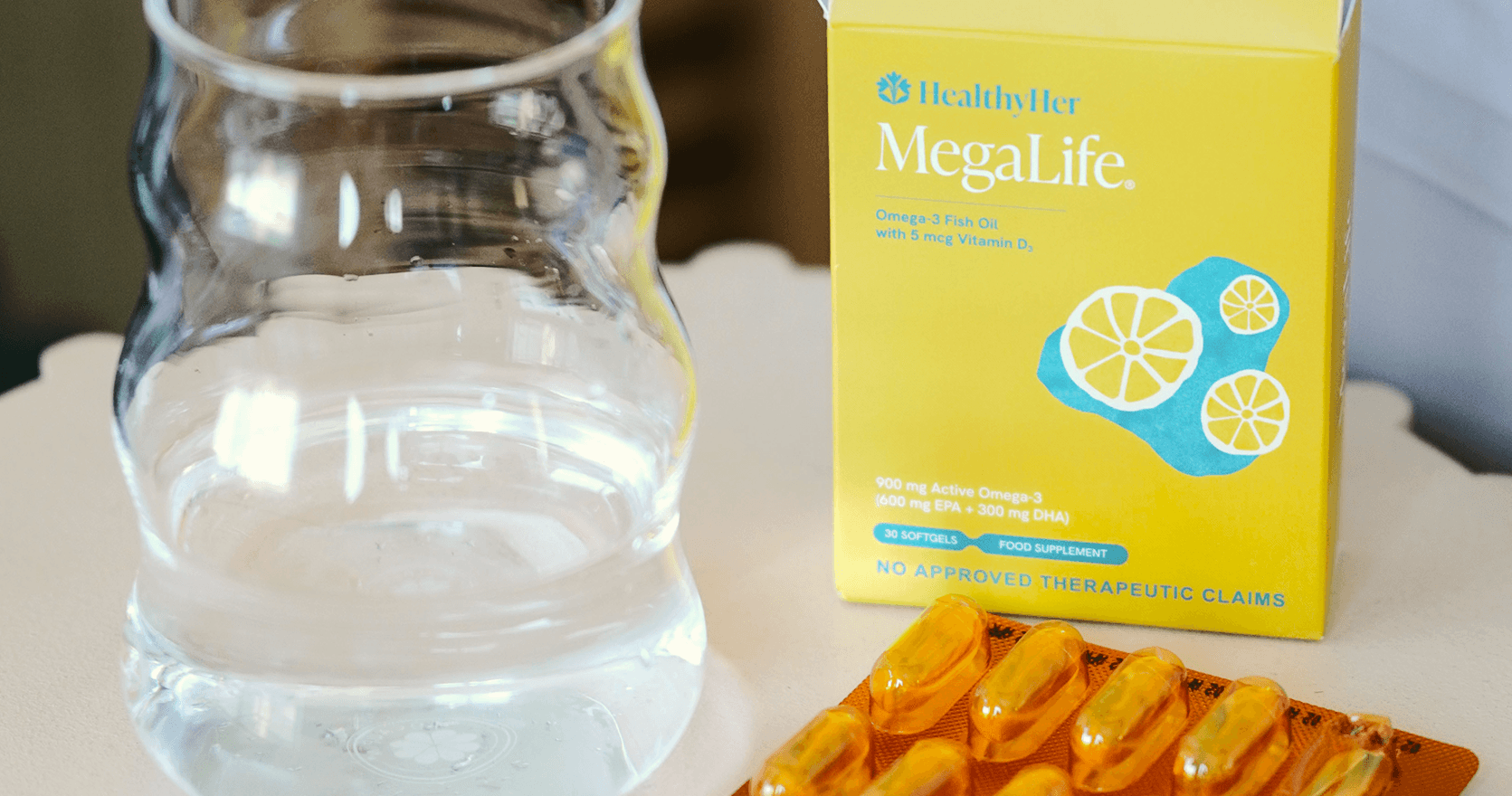
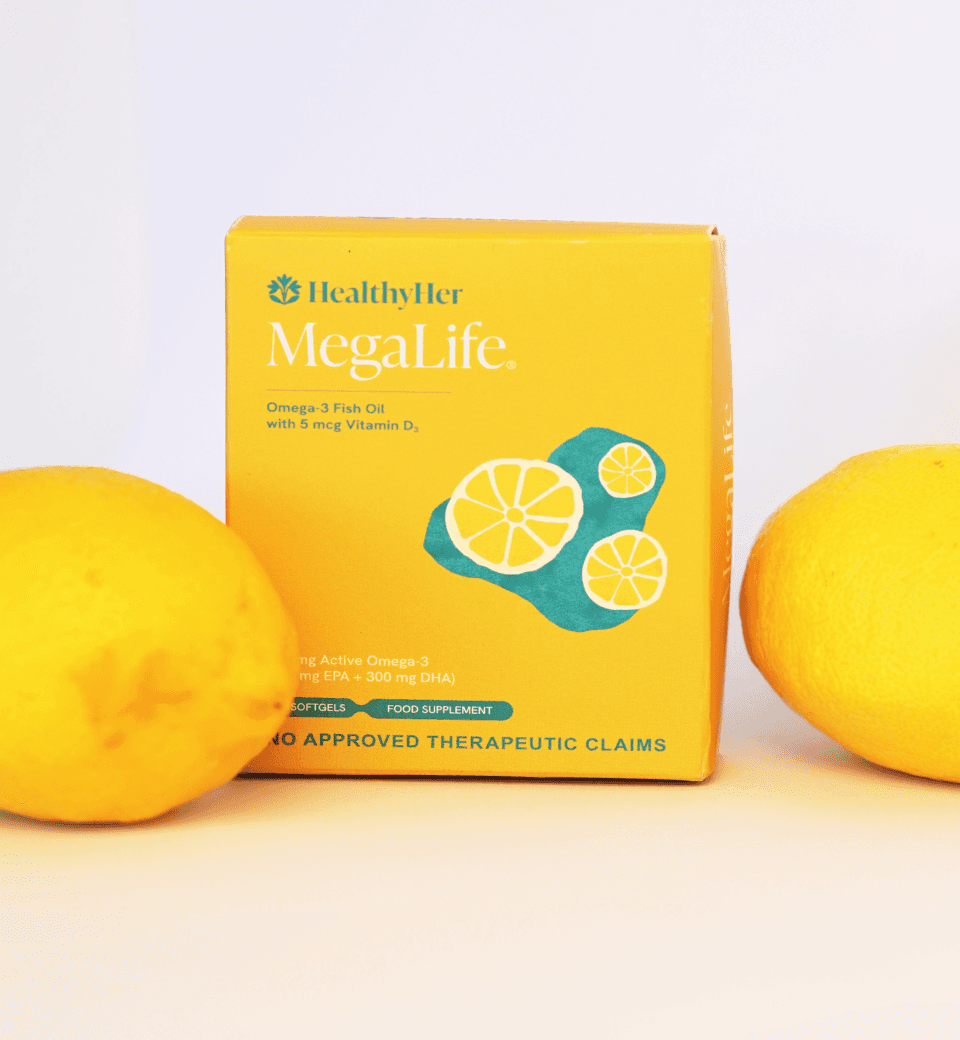
MegaLife delivers both in one softgel: 900mg of Omega-3 (600mg EPA plus 300mg DHA) at a therapeutic dose, plus Vitamin D3 in its most effective form, purified to remove mercury, heavy metals, and environmental toxins. One softgel with breakfast. That is it.
What to Look for on Supplement Labels
For Omega-3
When choosing Omega-3 supplements, look beyond the '1000mg fish oil' labels listed separately, as these are key for PCOS management and quality assurance.
A therapeutic dose for PCOS is around 600mg EPA and 300mg DHA. If a label only says "1000mg Omega-3" without breaking those down, the actual active content may be a lot lower than you think.
For Vitamin D
Always look for D3 (listed as cholecalciferol on the label), not D2. D3 is the form your body naturally produces from sunlight, and it raises your blood levels most effectively. D2 is less effective over time.
Also, always take Vitamin D with food since it needs dietary fat to be properly absorbed, ensuring you get the most benefit from your supplement.
When to Take Them
Morning with breakfast is the most practical time and the easiest to maintain, helping you feel more in control of your health journey. A meal with some fat significantly improves how well your body absorbs both nutrients, encouraging confidence in your daily habits.
A Quick Note on Safety
Omega-3 and Vitamin D3 are safe for most women at standard doses. A few things worth knowing:
If you are on blood thinners, talk to your doctor before taking Omega-3.
If you have kidney disease, check with your doctor before taking Vitamin D supplements.
If you are pregnant or trying to conceive, ask your OB-GYN first.
MegaLife contains fish, so it's worth keeping in mind if you have a seafood allergy.
Our Recommended Supplement
MegaLife covers everything: therapeutic EPA and DHA doses (600mg plus 300mg), bioavailable Vitamin D3, ultra-pure, molecular-distilled, and a formula designed specifically for the metabolic and hormonal pathways disrupted by PCOS.
Take MegaLife consistently for at least 3 months to start seeing hormonal improvements. Pair it with simple daily habits for the best results.
New to PCOS? Understand the root causes these nutrients address. Build a consistent supplement routine with simple daily habits to manage PCOS. And since your needs evolve, explore what PCOS looks like at different life stages.
Want to keep learning about PCOS?
Here are articles we recommend reading to learn more about it.